



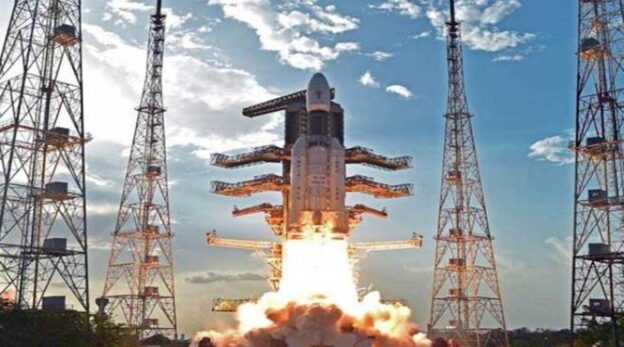
In-development space innovations include space cannons, modular space station units, and 3D-printed rockets.
- 2023 was a big year for space startups, and this year promises to be no different.
- Innovators from all over the world are looking to change the way we reach space as well as how we operate once there.
- Here are 10 of the most impressive space startups that could achieve major milestones in the coming months and years.
The space industry is growing at a dramatic pace, and 2024 promises to be another year full of great moments and major milestones.
SpaceX’s impressive records in recent years have seemingly galvanized the private space sector, leading to a whole host of innovations.
Here is a list of standout startups that we expect to achieve big things in the coming years, ranging from launching satellites to orbit with innovative designs to tackling the space debris problem and much more.
1. Spin Launch
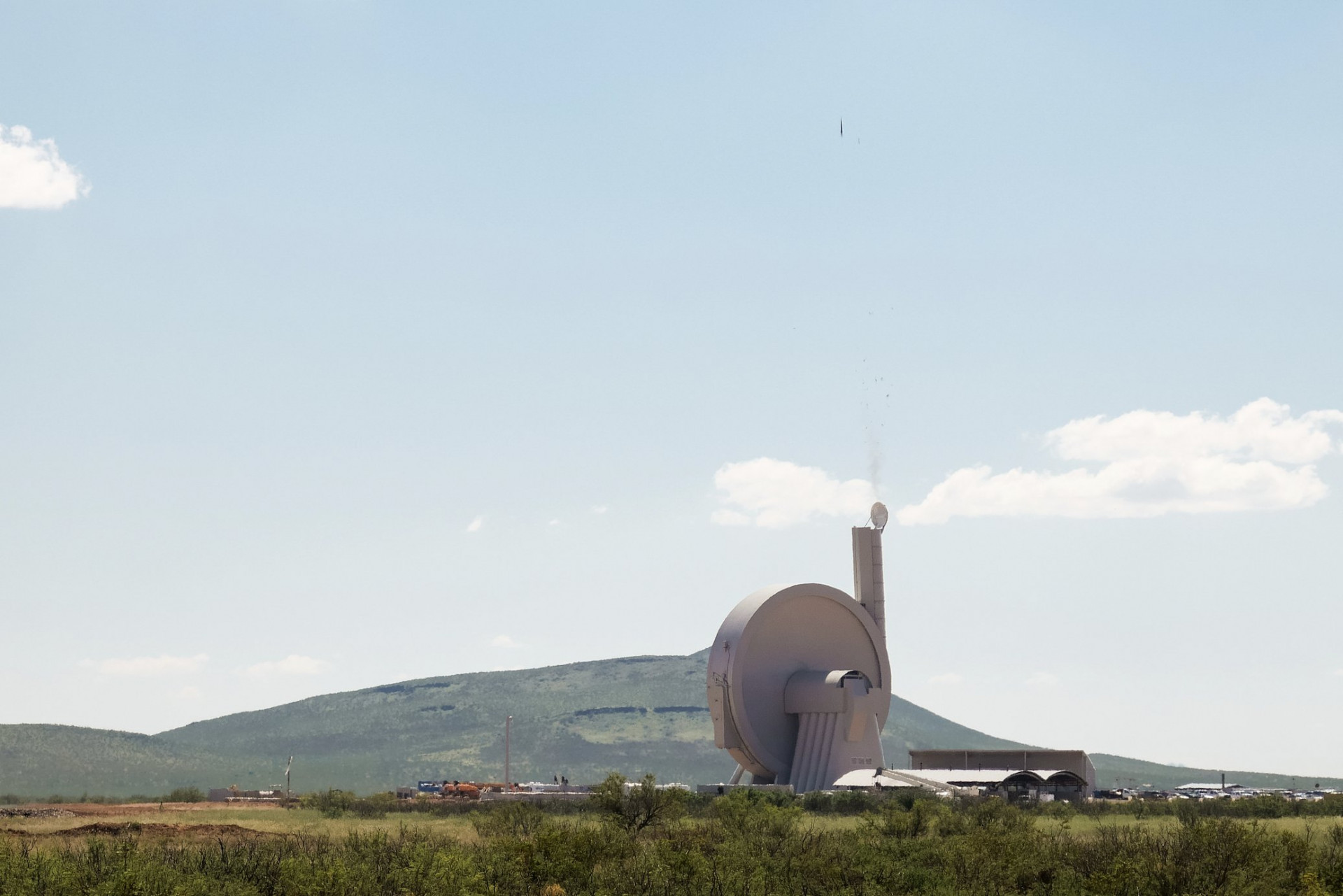
The year 2024 could be a big one for SpinLaunch, the company that aims to revolutionize the small payload service market by catapulting payloads into low Earth orbit using a centrifuge system called the Orbital Launch system.
In November last year, the company announced it had made several senior appointments to bolster its position ahead of commercialization.
In 2022, SpinLaunch catapulted an experimental NASA payload into the sky using its Suborbital Accelerator, which accelerated the payload up to 10,000 grams and 5,000 miles per hour (8,000 kilometers per hour) before throwing it up to an altitude of roughly 30,000 feet (9,150 meters). With a successful NASA payload test under its belt, the company is in a strong position to go to the next level this year.
2. Green Launch
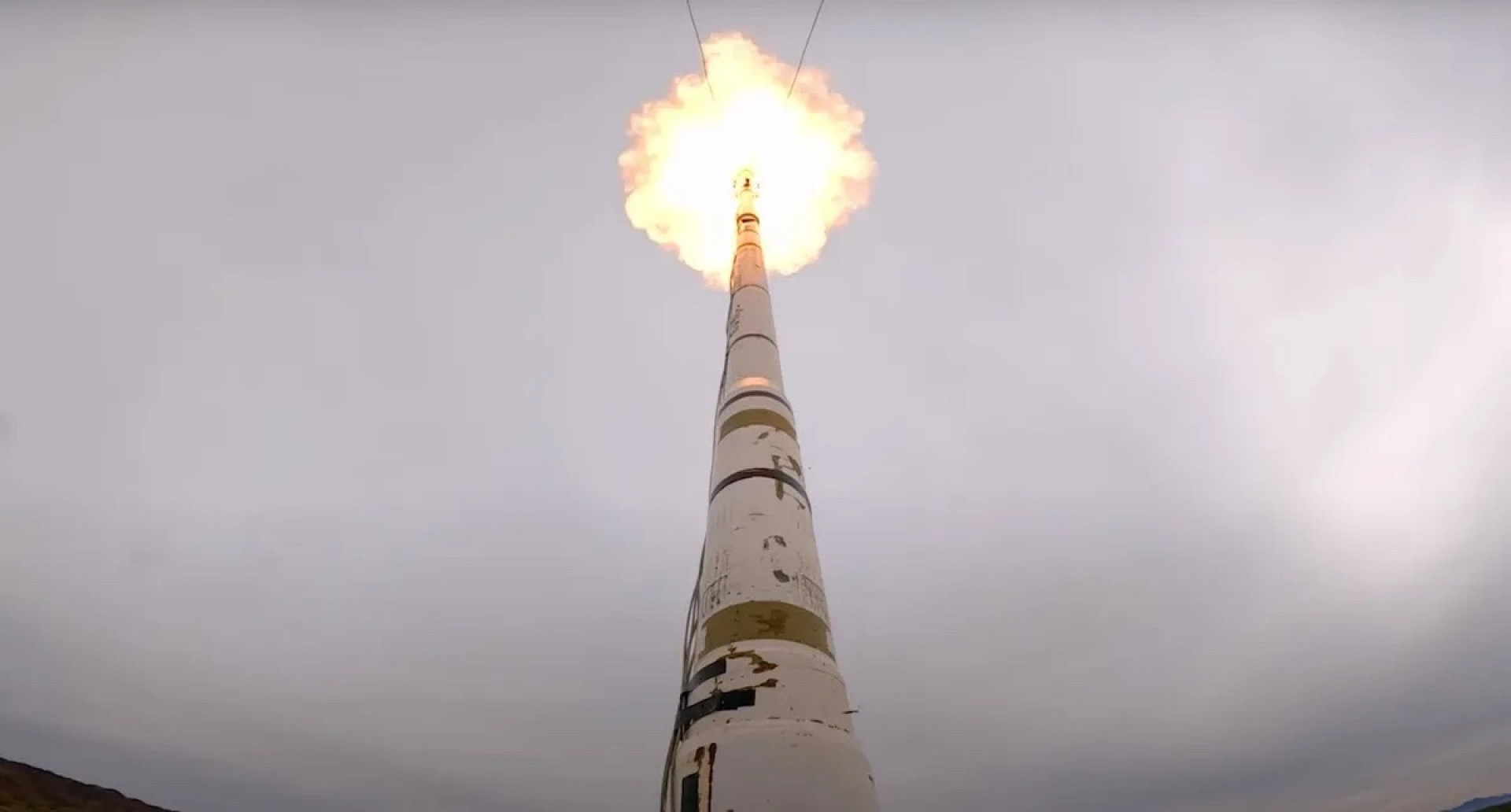
Much like SpinLaunch, Green Launch aims to disrupt the small satellite launch industry by enabling CubeSats to launch without a rocket. Instead, the company’s hydrogen impulse launcher, an artillery-like cannon, will fire them straight into low Earth orbit.
In an interview with IE last year, Green Launch co-founder Eric Robinson said the company’s space cannon could fire payloads to orbit in as little as 10 minutes traveling at Mach 20. Not only that, but he claimed the launch method will have the “least environmental impact per kilogram” of any orbital launch system.
3. PLD Space
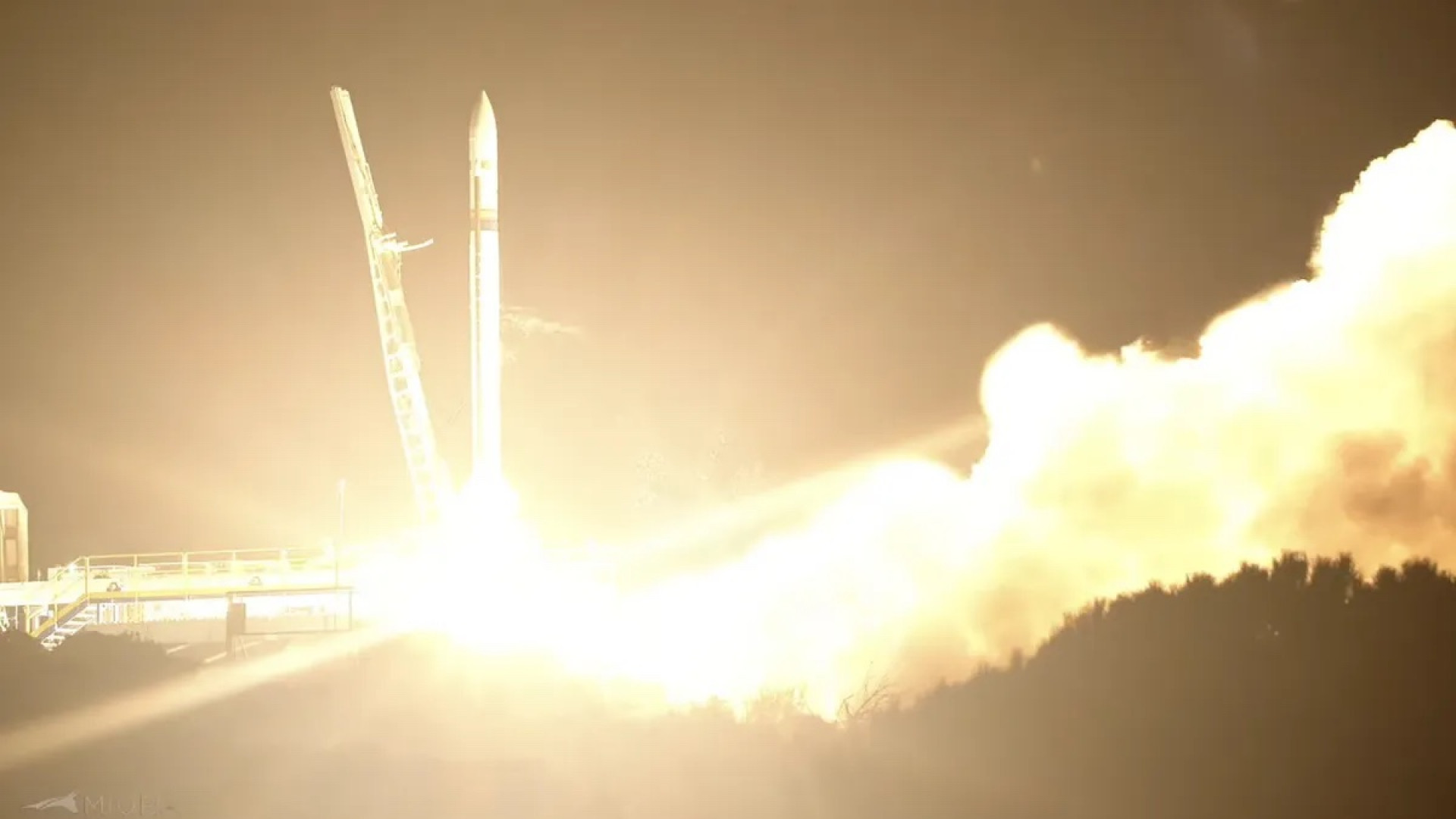
Spain’s PLD Space became the first European startup to successfully launch a suborbital rocket from European soil last year. It could go down as a turning point for the European space industry, which had problems last year due to its overreliance on Arianespace.
PLD Space’s Miura 1 rocket is a precursor to the orbital Miura 5 launch vehicle, which will eventually fly from Europe’s Spaceport in French Guiana. The company aims to fly Miura 5 as soon as next year, meaning 2024 will be a busy year as it conducts engine and other technological validation tests ahead of the launch of its orbital rocket.
4. Impulse Space
Impulse Space just unveiled its new Helios platform. The company, founded by ex-SpaceX engineer Tom Mueller, aims to revolutionize last-mile payload deliveries, and it claims Helios will allow companies to reach geosynchronous orbit (GEO) at a fraction of the cost.
Helios uses in-space propulsion to send payloads to an orbit otherwise only achievable on a heavy rocket using the services of a relatively smaller workhorse rocket like SpaceX’s Falcon 9.
5. ClearSpace
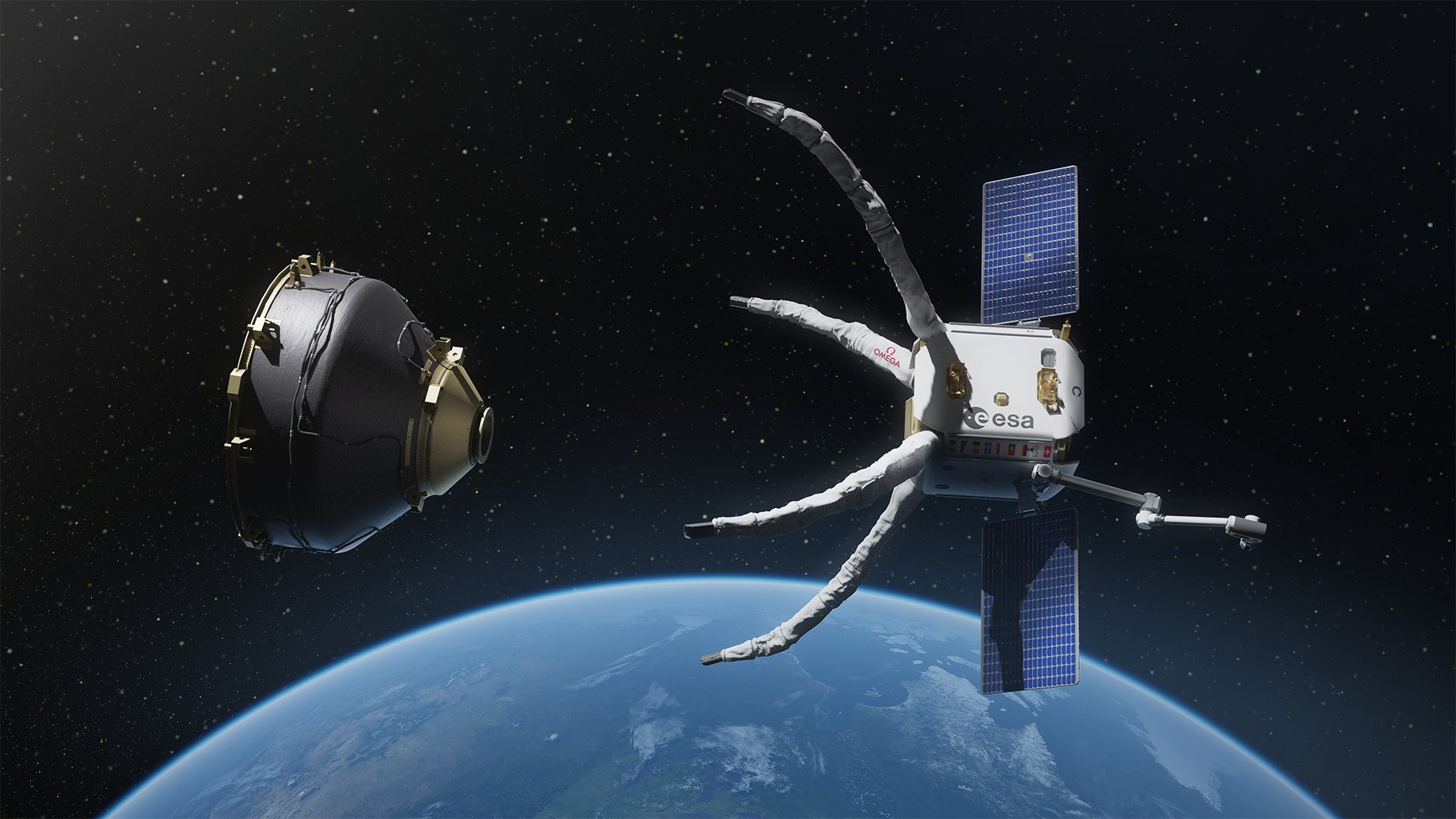
Swiss startup ClearSpace aims to address the growing problem of space debris. The company’s ClearSpace-1 mission was designed to collect a Vespa payload adapter left in low Earth orbit by a Vega rocket over a decade ago.
In January last year, the company raised €26.7 million toward mission costs. It is one of several organizations aiming to tackle the space debris problem by developing technologies capable of capturing shrapnel zipping through orbital space at incredibly high speeds.
6. Orbex
Scottish firm Orbex aims to make small satellite launches sustainable. The company’s Orbex Prime is a two-stage, 62-foot-tall (19-meter) rocket that will launch small satellite payloads of up to 396 lbs (180 kg) from Space Hub Sutherland – the UK’s first spaceport, located on the northern coast of Scotland.
In an interview with IE last year, former Orbex CEO Chris Larmour explained that the use of biopropane will lead to at least a “90 percent reduction on carbon emissions” when compared with traditional rockets. The firm hasn’t committed to a specific launch date, though it has previously stated that Orbex Prime could fly this year.
7. Astroscale

Japanese firm Astroscale recently announced it aims to become the first company to safely approach and characterize a piece of large debris orbiting Earth.
Much like ClearSpace, it aims to address the space debris problem by building the technology required to rendezvous with space debris traveling thousands of miles per hour in Earth’s orbit. The company has also signed a $25.5 million contract with the US Space Force to develop a satellite for refueling purposes.
8. Relativity Space
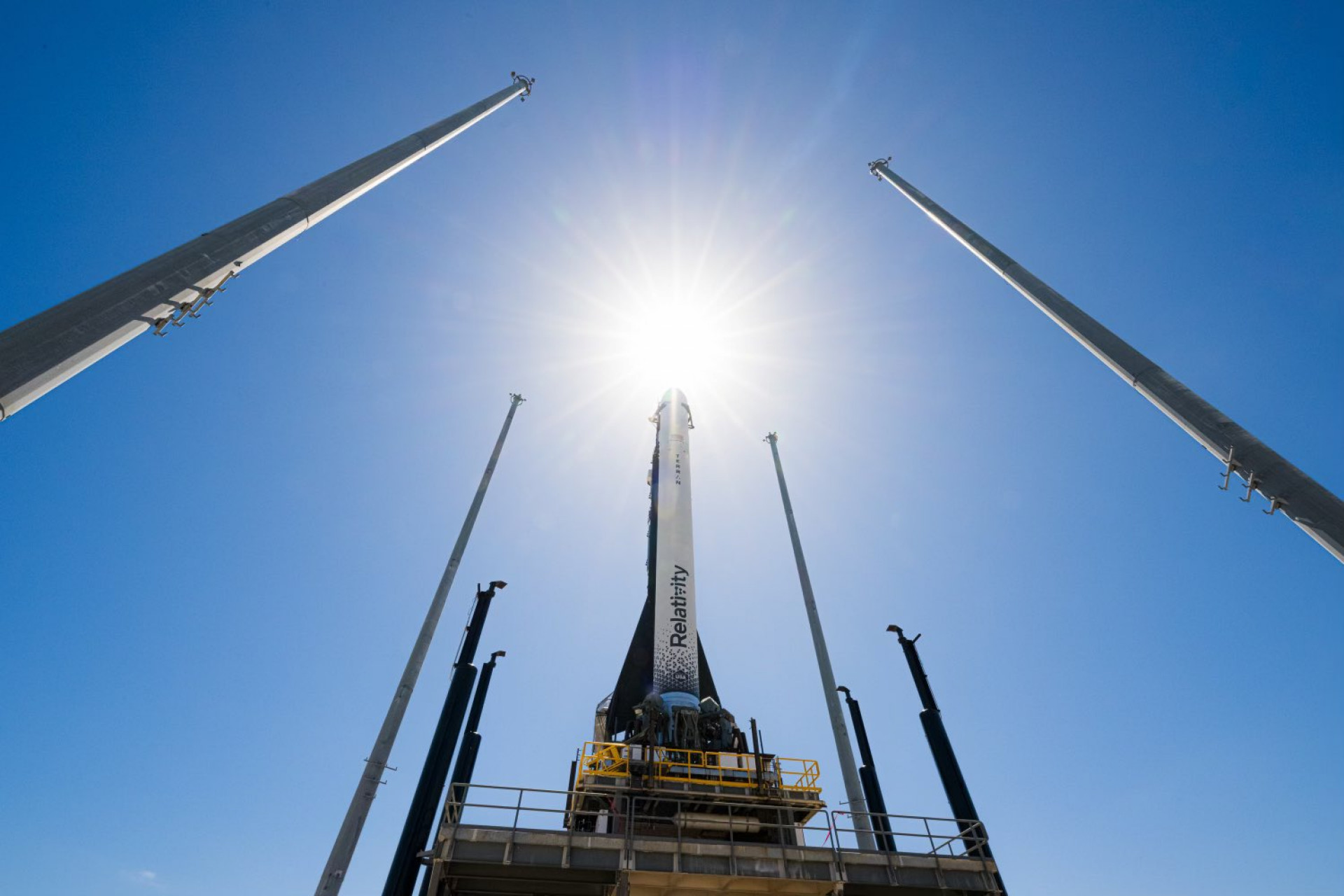
Relativity Space broke new ground last year by launching the world’s first rocket made almost entirely of 3D-printed parts. Shortly after the launch, Relativity Space’s Arwa Tizani Kelly explained on the company’s live webcast that “we just completed a major step in proving to the world that 3D-printed rockets are structurally viable.”
While the company’s 3D-printed Terran-1 rocket didn’t reach orbit, the firm said it was a successful launch that allowed it to collect a wealth of data to develop its Terran-R rocket.
This year, the company will be heavily focused on the development of Terran-R, which it aims to launch as soon as next year. Its ambitions don’t end with Terran-R, though. Relativity Space has also penned an agreement with Impulse Space (also on this list) to try to become the first two private space companies to send a lander to Mars.
9. Space Pioneer
Chinese startup Space Pioneer succeeded where Relativity Space did not last year by becoming the first company in the world to launch a rocket to orbit on its very first attempt. In April, Space Pioneer’s Tianlong 2 rocket launched from the Jiuquan launch facility in northwest China.
The company, officially named Beijing Tianbing Technology Co., also became the first firm in China to fly a rocket using liquid propellant. All of this is even more impressive when considering that Space Pioneer was founded as recently as 2018.
10. Gravitics

Space startup Gravitics recently raised $20 million to help it develop its StarMax modular space station units that can be used to build orbital outposts.
According to the company, each StarMax unit has the “largest interior volume in a standalone spacecraft. Ever.” Each modular space station unit measures 400 cubic meters, and the company claims the adaptable technology will help usher in a new era of spaceflight.
With NASA looking to the future and beyond the era of the International Space Station (ISS), such technologies will help usher in a new era of private space stations capable of housing space tourists as well as orbital laboratories.
https://interestingengineering.com/lists/10-space-startups-eye-on-2024