


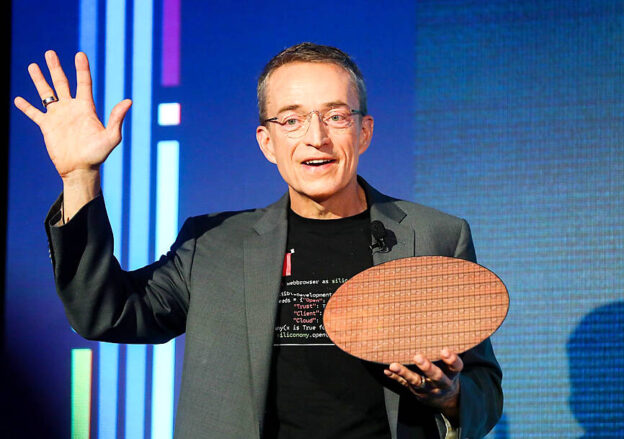
From massive spending cuts to road map changes for its accelerator chips, CRN dives deep into Intel’s nine biggest developments since Pat Gelsinger became its CEO three years ago.
It’s been three years since Pat Gelsinger became Intel’s CEO, and there’s no doubt that he’s already left an outsized mark on the semiconductor giant by evolving its business model in the hope that it will remain central to global chip needs for the decades to come.
When Gelsinger became Intel’s eighth leader in its 55-year history on Feb. 15, 2021, it marked a grand return for the semiconductor veteran, who spent the first 30 years of his career at the chipmaker before becoming a top executive at Dell EMC and then CEO of VMware. After re-joining Intel, Gelsinger referred to this latter period as his “11-year vacation.”
[Related: Analysis: How Nvidia Surpassed Intel In Annual Revenue And Won The AI Crown]
“I believe Intel has significant potential to continue to reshape the future of technology and look forward to working with the incredibly talented global Intel team to accelerate innovation and create value for our customers and shareholders,” Gelsinger said when he was announced as the successor to Intel CEO Bob Swan in mid-January 2021.
Throughout his tenure as Intel’s CEO, Gelsinger has made sweeping changes to the company, including the establishment of a new strategy called IDM 2.0 that involves a massive build-out of new fabs in the West and the revitalization of its contract chip manufacturing business.
With the need to invest tens of billions of dollars into this strategy, Gelsinger has narrowed the company’s focus to chip design, with a primary focus on CPUs, accelerator chips and networking chips, and chip manufacturing, which now comes with an expanded purview of fabricating chips designed by Intel as well as external companies.
This has resulted in Intel exiting several businesses and spinning off others that were adjacent to the company’s primary ways of making money. Some of these businesses had been accumulated through acquisitions by Gelsinger’s predecessors while others came from in-house development and research efforts over several years, if not a decade or longer.
All of this has been done in the name of helping Intel not just recover from several years of stumbles in chip manufacturing that allowed it to fall behind Asian foundry rivals. More importantly, the actions taken by Gelsinger and his leadership team are meant to fling Intel ahead of its competitors in advanced chip-making capabilities by 2025 and make the company the second largest contract chip manufacturer by revenue five years later.
Working to achieve these lofty goals hasn’t been without its challenges for Intel. In addition to cutting several businesses loose over his tenure, Gelsinger announced in October 2022 that the company would cut spending by billions of dollars over the next three years. This has resulted in an unspecified number of layoffs since then.
What follows is an in-depth recap of Intel’s nine biggest moves under Gelsinger and what has happened since those developments were announced. These developments include Intel’s IDM 2.0 strategy, the launch of Intel Foundry, the multibillion-dollar spending cuts as well as Intel’s decision to shake up its accelerator chip road maps and expand its software business.
https://www.crn.com/news/components-peripherals/2024/intel-s-9-biggest-moves-under-pat-gelsinger-in-his-first-3-years-as-ceo