




- The global solar energy market is projected to quadruple in value from $0.4 trillion in 2024 to $1.6 trillion by 2034, reflecting a compound annual growth rate of 15.2%.
- The primary challenge to market growth is the intermittency of solar power, which complicates grid management and has led to issues like power price volatility and stability risks in high-penetration regions.
- Key growth drivers include supportive government policies and technological advancements, with Building-integrated Photovoltaics (BIPV) and enhanced energy storage systems identified as significant opportunities.
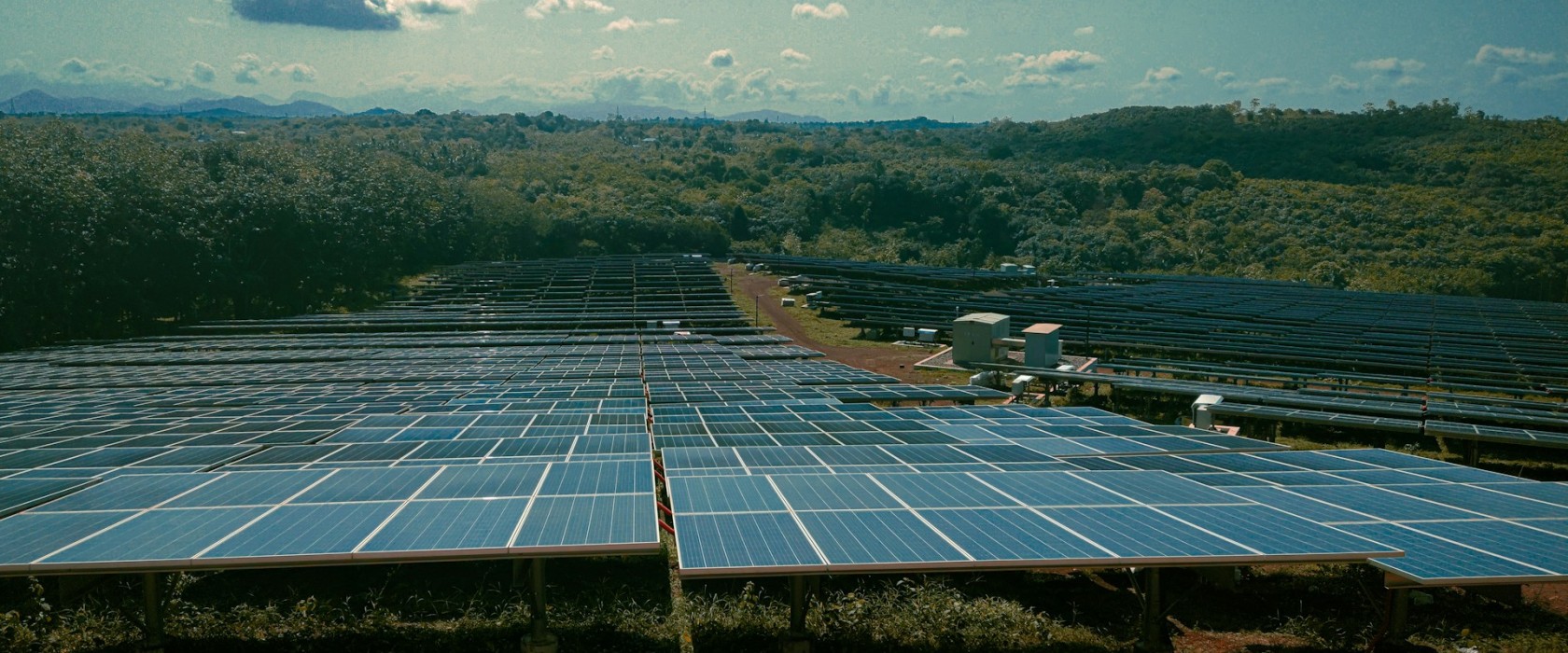
The global solar energy market, driven by a push for carbon reduction and sustainable power generation, is projected to quadruple its valuation over the next decade, despite persistent challenges related to power generation variability, according to a new report from Allied Market Research.
The report estimates the market was valued at $0.4 trillion in 2024 and is forecast to reach $1.6 trillion by 2034. This growth trajectory reflects a compound annual growth rate of 15.2% from 2025 to 2034, fueled by technological advancements in photovoltaic (PV) systems, declining installation costs, and supportive government policies globally.
Solar energy, which accounts for approximately 8% of global electricity supply as of July 2025, is seen as a cost-effective and abundant alternative to fossil fuels. The growth underscores its role as a core component of the global renewable energy transition. The analysis attributes market expansion to ongoing technological integration with smart technologies and the overall push for energy independence among nations.
Despite the positive outlook, the report identifies the intermittency of solar power as a primary restraint on market growth. The variable and non-continuous nature of generation, caused by weather changes, seasons, and the day-night cycle, complicates the task for grid operators who must continuously balance supply and demand.
Regions with high solar penetration have seen the effects of this variability. The report notes that unexpected surpluses in areas like California and Australia have at times driven wholesale power prices into negative territory. Conversely, sudden drops in output strain grid stability, increasing the risk of power outages, such as those observed in Spain and Portugal earlier in 2025. Energy systems designed for predictable sources must adapt to manage these fluctuations, which are exacerbated by prediction errors from abrupt cloud cover or storms.
Governments worldwide are implementing a comprehensive regulatory landscape to manage and accelerate solar adoption. These frameworks include Renewable Portfolio Standards (RPS) and feed-in tariff (FiT) schemes that mandate or incentivize utilities to source power from solar energy. Financial measures like investment tax credits (ITC) and production tax credits (PTC) are also utilized to lower initial investment barriers and attract both domestic and foreign capital, according to the report.
Further regulatory oversight includes establishing strict grid interconnection codes to ensure reliable integration and prevent instability. Authorities are also implementing Renewable Energy Certificate (REC) mechanisms to monetize clean energy generation and ensure compliance with renewable purchase obligations (RPOs).
A significant growth opportunity highlighted in the research is Building-integrated Photovoltaics (BIPV). BIPV involves seamlessly incorporating PV panels into a building’s elements, such as windows, roofs, and façades, allowing the material to serve both as a structural component and a power-generating system. This approach is particularly relevant for commercial and high-rise buildings where traditional rooftop space is limited.
Illustrating this emerging technology, Microquanta launched a perovskite panel BIPV project in Shanxi, China, in February 2025. The installation, located at the University Student Entrepreneurship Center, has a capacity of 17.92 kilowatts peak (kWp) and uses double-glass perovskite modules engineered for approximately 40% light transmittance.
The global solar energy market is on a trajectory for substantial growth, fueled by both technological and regulatory support. Its long-term expansion hinges on the successful implementation of effective solutions, such as advanced energy storage and grid management systems, to counteract the operational complexities posed by the inherent variability of solar power generation, according to the market research.
https://oilprice.com/Alternative-Energy/Solar-Energy/Solar-Energy-Market-Set-To-Grow-to-16-Trillion-by-2034.amp.html