




- The conflict in Iran is causing major disruptions to the semiconductor supply chain by affecting the sourcing of critical materials like helium and bromine and by escalating the energy security issues for major chip producer Taiwan.
- The war has led to the single biggest oil supply disruption in history, causing oil prices to skyrocket and further stressing import-dependent Taiwan, a country responsible for over 90 percent of the world’s advanced computer chips.
- Iranian-affiliated forces have begun targeting critical technology infrastructure, including cloud infrastructure and data centers linked to major U.S. hyperscalers like Amazon and Google, marking a serious escalation for the tech sector.
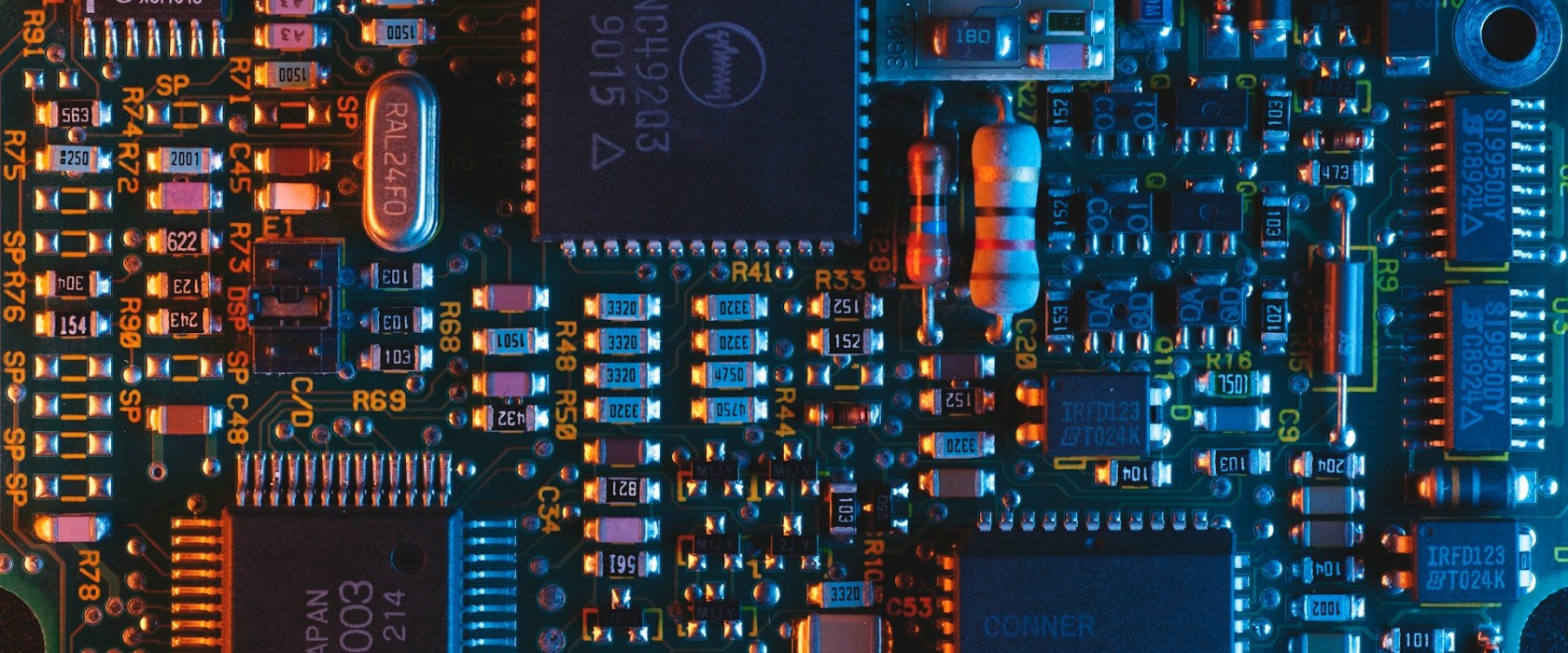
The semiconducting industry is in trouble, which means the global economy is in trouble. The sector that creates the computer chips that increasingly power our world requires a huge amount of resources to operate efficiently, including a number of different critical minerals and a whole lot of energy. And those supply chains are now facing major disruptions thanks to the war that the United States and Israel are waging in Iran.
Though Donald Trump stated on Monday that the war will end “very soon”, there is cause for concern that the conflict – and its fallout – will be protracted. This would be disastrous for a huge number of global supply chains, not to mention the tragic loss of human lives and the grave environmental impacts that the war is already ushering in.
Computer chips may not seem like such a big deal in comparison, but they have become integral and indispensable to the daily functioning of the global economy as our world becomes more and more digitalized. Semiconductors “have reshaped the digital age and are embedded in everything from satellites and smartphones to medical devices and electric vehicles,” in the words of Duke University’s Deep Tech blog. An interruption to their supply or affordability could therefore be majorly destabilizing to producers and consumers the whole world over.
“A prolonged regional conflict could potentially disrupt chipmakers’ manufacturing operations regarding sourcing materials like Helium and Bromine,” Ray Wang, memory analyst at SemiAnalysis, told CNBC earlier this week. “For now, the impact appears to be limited. However, a prolonged conflict could eventually lead to disruptions or require adjustments in the sourcing of key materials.”
Related: Six Stocks That Could Soar in an Era of Regional Instability
Even though the vast majority of the world’s advanced computer chips are produced in Taiwan (at more than 90 percent) the Middle East is integral to semiconductor supply chains. For example, more than a third of the world’s helium, which is used in cooling systems and circuitry printing for semiconductor manufacturing, is produced in Qatar. And if there were to be a major disruption to helium supplies on a global level, whether due to production issues or transportation issues, there is simply no substitute for the element in these processes.
The semiconductor industry was already facing considerable headwinds thanks to the extreme concentration of the industry in Taiwan, which has pre-existing issues with energy security. The island nation was already facing high levels of energy insecurity thanks to its dependence on imports and the ever-present threat of conflict with China. The current disruption of global oil supplies could prove to be devastating to the nation’s energy supplies if prolonged.
The U.S.-Israel conflict in Iran is currently causing the single biggest oil supply disruption in history. As of the time of writing, the closure of the Strait of Hormuz has already caused a nine-day disruption of 20 percent of the world’s oil transports. The scale of this is staggering, representing a two-fold increase over the previous disruption record set during the Suez crisis of 1956. As a result, oil prices are already skyrocketing, having spiked above $100 per barrel – and rising. All of this spells trouble for import-dependent Taiwan, and therefore for the global economy.
At present, South Korean semiconductor manufacturers are even harder hit than those in Taiwan. South Korean companies are the predominant producers of memory chips, a market that has been heightened and demand-stressed by the rapid spread of the artificial intelligence sector. This could ultimately lead to a cooling off of the AI sector if memory chips become too pricey.
Related: No Magnets, No Drones: How China Controls the Future of Warfare
“This could significantly increase the total cost of ownership (TCO) for hyperscalers, thereby posing a threat towards AI infrastructure adoption,” Jing Jie Yu, equity analyst at Morningstar, was quoted by CNBC. “An extended war would lead to some pullback in AI memory chip demand.”
The conflict has also taken an alarming new turn for the tech sector. Iran’s IRGC-affiliated Tasnim News Agency published a list of “Iran’s new targets” this week, naming regional offices, cloud infrastructure, and data centers linked to Google, Amazon, Microsoft, Nvidia, IBM, Oracle, and Palantir, according to CNN. These are not just threats on paper: Iranian drone strikes have already hit three AWS data centers in the UAE and Bahrain – the first military strikes on U.S. hyperscalers in history – causing fires, power outages, and knock-on disruptions to banking and payments services across the region. AWS has advised customers to migrate workloads out of the Middle East entirely.
The scale of exposure is striking. Nvidia temporarily closed its Dubai offices after nearby strikes; Amazon shuttered its corporate offices across the region; dozens of Google employees were stranded in Dubai after mass flight cancellations. Meanwhile, Samsung and SK Hynix have seen more than $200 billion wiped from their combined market value since the war began, and South Korea’s industry ministry has warned of dependence on the Middle East for at least 14 semiconductor supply chain inputs beyond helium. “Iran and proxies have targeted oil fields in the past, but their attacks this week on UAE data centers shows they are now considered critical infrastructure,” Patrick J. Murphy, executive director of the geopolitical unit at advisory firm Hilco Global, told CNBC.
By Haley Zaremba for Oilprice.com
https://oilprice.com/Energy/Energy-General/How-War-in-Iran-Could-Cripple-the-Global-Digital-Economy.amp.html