


Henry Kravis, left, and George Roberts, co-founders and co-executive chairmen of KKR.
Patrick T. Fallon/Getty Images
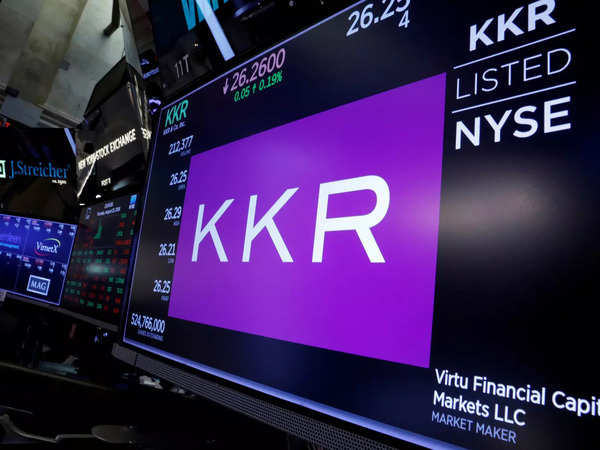
KKR has closed its latest North America-focused buyout fund with $23 billion of investor commitments, a possible sign that the tide is turning after a long period of tough fundraising for managers of mega-sized buyout funds.
This total makes KKR North America Fund XIV the largest PE fund focused solely on North America, and gives the New York-listed investment manager a place among the largest funds ever raised in the asset class, according to PitchBook data.
Big institutional backers of the fund include Washington State Investment Board, which committed $600 million; New York State Common Retirement Fund, which wrote a check for $500 million; and Minnesota State Board of Investment, which put in $400 million.
KKR was targeting $20 billion for Fund XIV, according to documents prepared for the $161 billion Minnesota public pension plan, a repeat investor in the firm’s buyout vehicles.
In the documents, the pension’s investment staff said that Fund XIV would make between 20 and 25 investments, ranging in size from roughly $1 billion to $4 billion, across the consumer, healthcare, financial services, industrials, media, tech-enabled services and software sectors.
In March, KKR acquired Dallas-based bakery chain Nothing Bundt Cakes for more than $2 billion, including debt. The investment was made out of Fund XIV, according to a person with knowledge of the matter.
In addition to typical control transactions, the fund can back companies being impacted by market dislocation, so-called tactical opportunities, and “public toehold investments” that give KKR an entry point into listed businesses that it would like to own in the future.
In the pitch to Minnesota SBI, KKR emphasized the value of its 40 operating executives, known collectively as KKR Capstone. Ninety percent of the investments made to date by the firm’s previous North America fund, which closed in 2022 with $19 billion, used Capstone’s support to boost revenue, improve business processes, identify M&A opportunities and upgrade technology, among other things.
Mega-sized buyout funds, which once seemed to raise with ease, have been hurt in recent years by a lack of available cash among institutional investors, such as pension funds, sovereign wealth funds and endowments. A lack of distributions from their private equity portfolios, triggered by a sharp rise in interest rates in 2022, forced many to write smaller checks or skip fundraising rounds altogether.
Things don’t seem to be improving. In the US, 2025 marked the year with the fewest private equity fund closes in more than a decade, according to PitchBook’s 2025 Annual US PE Breakdown. Together, those vehicles amassed a combined $278 billion, the lowest annual total since 2020.
Last year provided evidence that very large deals are coming back into fashion, which could facilitate improved fundraising at that end of the market. There were 150 PE deals worth $1 billion or more in 2025, valued at nearly $570 billion, comfortably beating the previous record of $528 billion in 2021.
The $55 billion take-private acquisition of video game developer Electronic Arts was the largest buyout inked in 2025—and the largest PE deal ever recorded.
https://finance.yahoo.com/markets/stocks/articles/kkrs-23b-haul-provides-light-225155363.html