



NVIDIA is in Europe, showcasing the future of technology together with the region’s developers, researchers and industry leaders. It all leads up to NVIDIA GTC Berlin, taking place October 20-22.
This is the place to find the latest — stay tuned for rolling coverage of the events and news.
October 12 – 24, 2026 by NVIDIA Writers
NVIDIA Expands Advanced Technology Access for Europe’s Scientific Community Through Open Learning Resources, Collaborations and Compute(opens in a new tab)
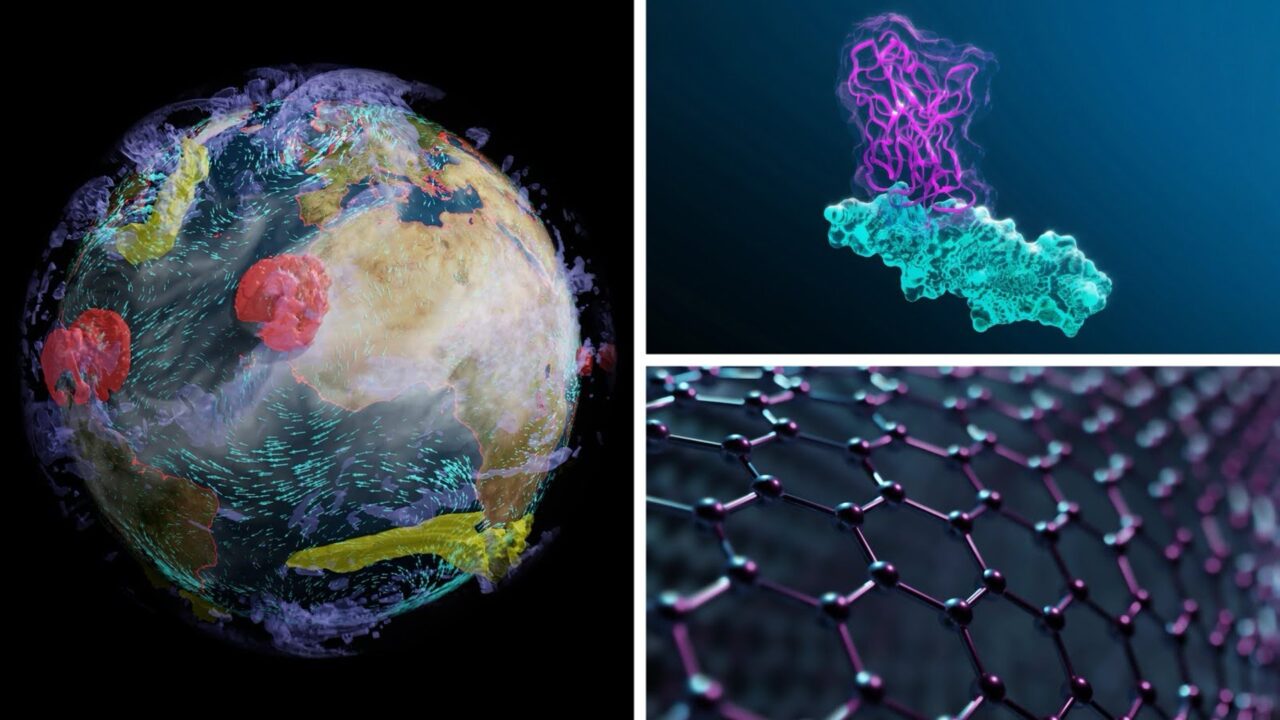
Much of today’s scientific progress begins with computation.
But turning accelerated computing’s potential into scientific progress — modeling climate systems, designing molecules, simulating materials and more — depends on more than breakthrough technology. Especially for smaller labs, early-career scientists or science-based startups, the hardest part of research can be everything that comes before the science: assembling tools, finding compute and building the expertise to use both.
At the AI in Science Summit in Dublin today, the European Commission launched the AI in Science Enablers Initiative, a shared framework connected to RAISE — the Resource for AI Science in Europe — that brings private-sector support closer to Europe’s research community.
The Nordics and NVIDIA Show What’s Possible When a Region Commits to Advanced Computing(opens in a new tab)
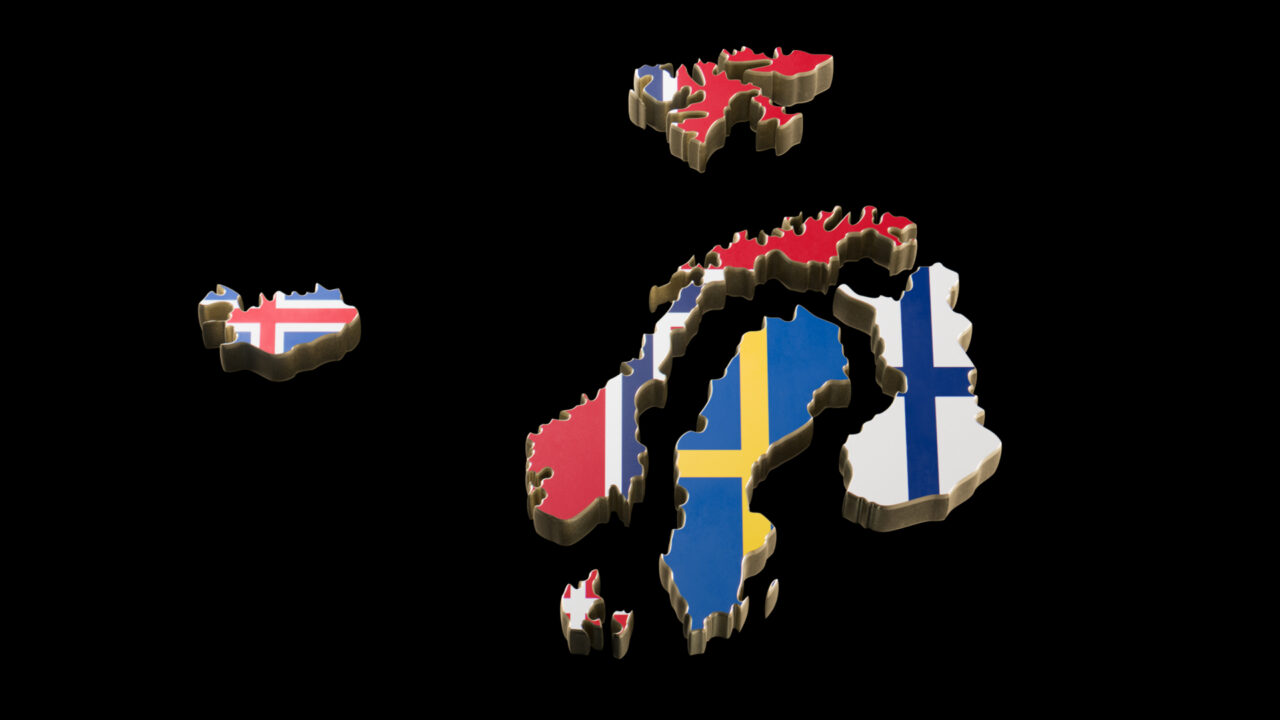
The Nordic countries have become the European leader in unicorn startup density, producing the most emerging companies valued at $1 billion or more per capita on the continent.
Now, a new chapter for the region is unfolding as countries race to build one of Europe’s most consequential technology ecosystems.
The many computing advancements already underway in the Nordics, combined with the opportunity that lies ahead, signal a region moving from ambition to application.
UK AI Ecosystem Gathers in London
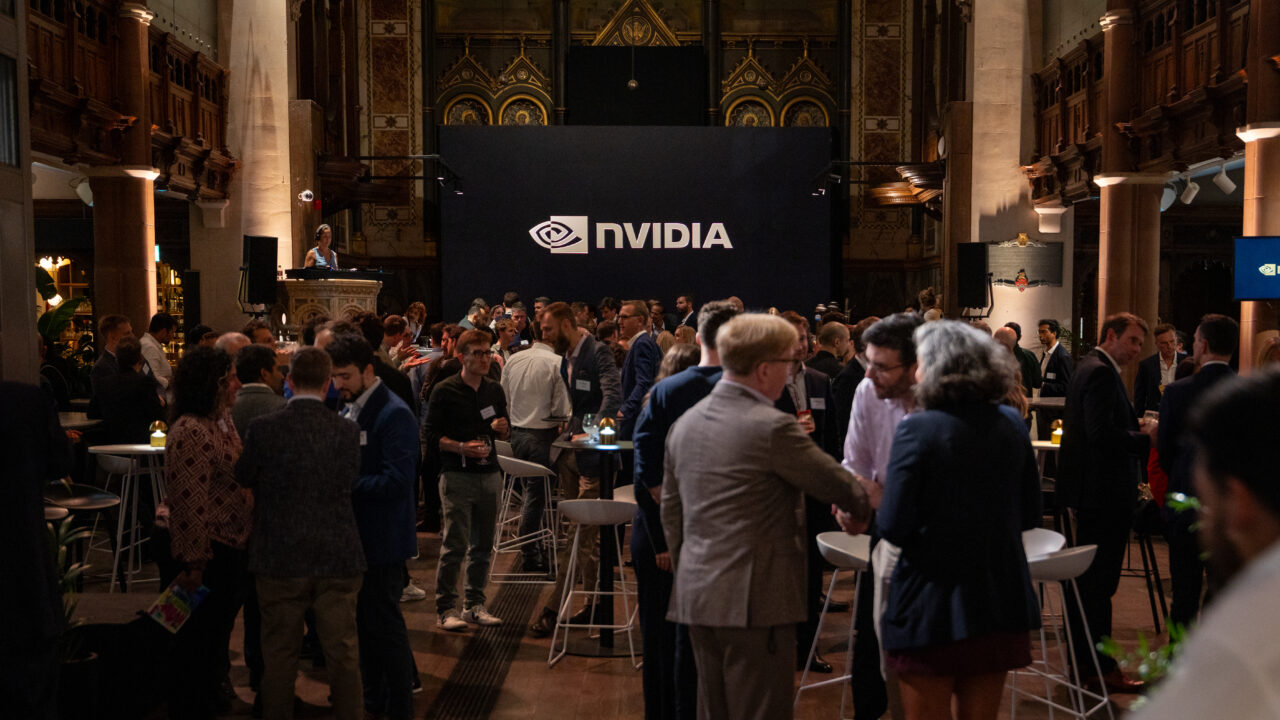
Inside a converted church in the heart of Mayfair, London, NVIDIA founder and CEO Jensen Huang moved through the crowd, greeting founders, business leaders and — at one point, raising a toast to the startups in attendance.
NVIDIA’s U.K. AI Ecosystem Reception at Mercato Mayfair lauded the U.K. as a thriving center for technology innovation.
Huang took to the stage in front of a packed room, the crowd spilling over into the balcony sections. He played to the London crowd by mentioning how several NVIDIA architectures have been named after English scientists.
After thanking the audience for their contributions and continued work with NVIDIA, he emphasized the importance of safety — especially with regard to agents, which he said must be transparent — and how AI will help solve some of the world’s greatest challenges.
“AI is our best shot at accelerating the transition to sustainable energy,” he said.
Huang also underscored that “AI is not just the model,” and that “in order for the U.K. to participate in the AI economy, you have to participate in every single layer of the AI economy, the AI industry.”
To spur those efforts, Huang announced NVIDIA’s planned investments in U.K. startups across medicine, AI research, infrastructure and quantum computing — part of a broader commitment to invest nearly $10 billion to Europe’s technology ecosystem.
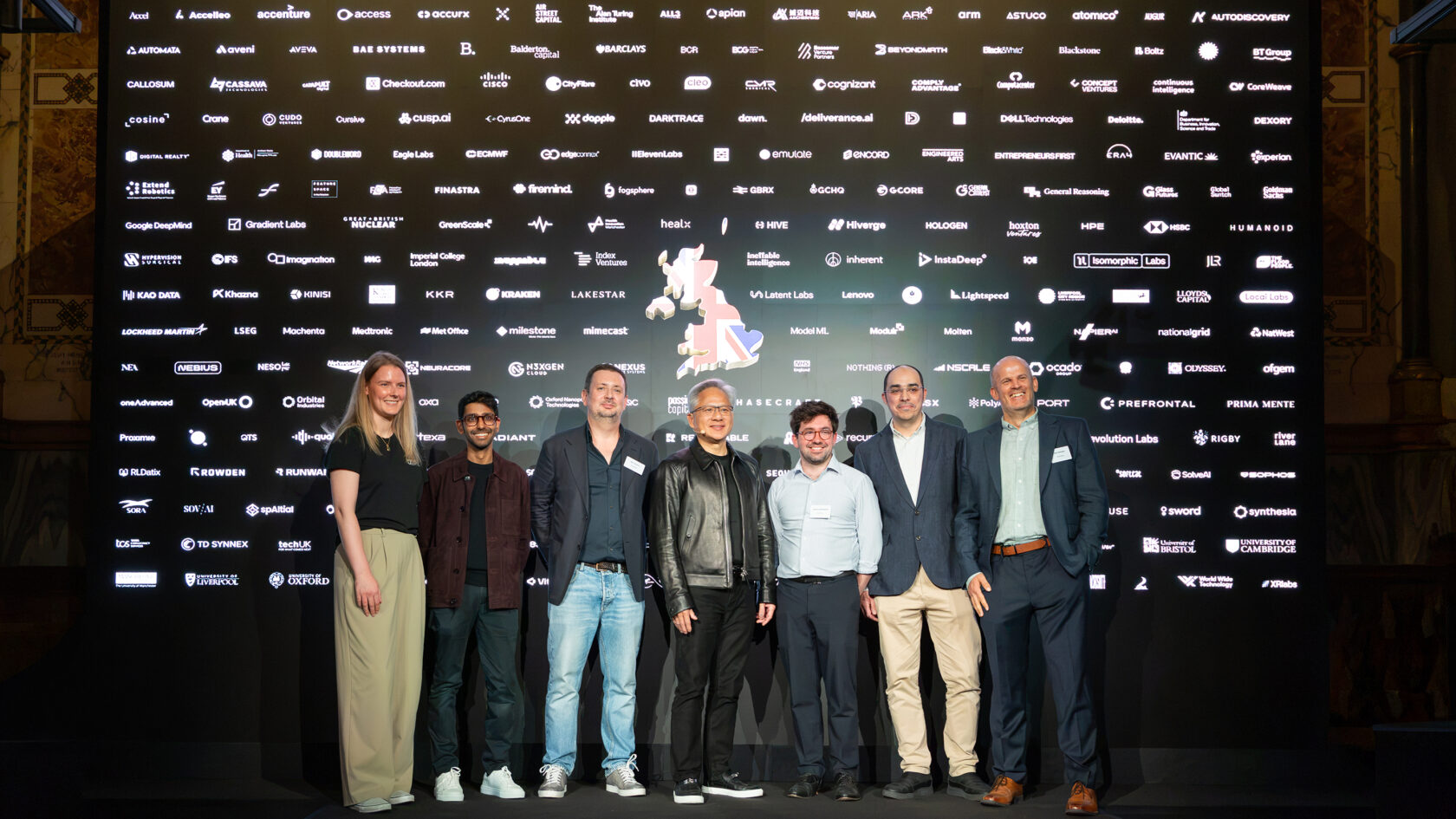
Kanishka Narayan, the U.K.’s Minister for Artificial Intelligence, joined Huang and the startup founders on stage for a toast.
“Go U.K.!” Huang said. “You gotta put pedal to the metal, and let’s get the U.K. ecosystem flywheel going in the U.K.”

Build-a-Claw Comes to UK Developers
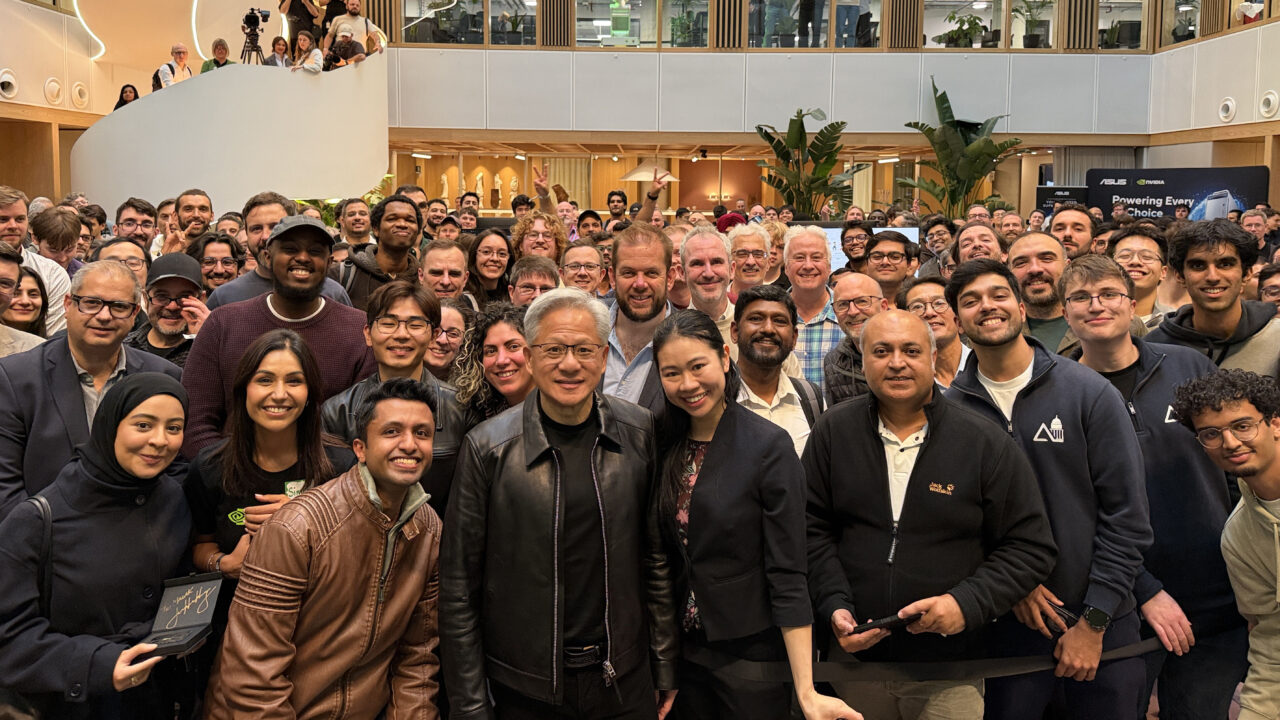
Developers packed One Triton Square in London today to build their own autonomous agents at Build-a-Claw, an event that gave attendees access to NVIDIA-powered computers to design their own agent, no coding required.
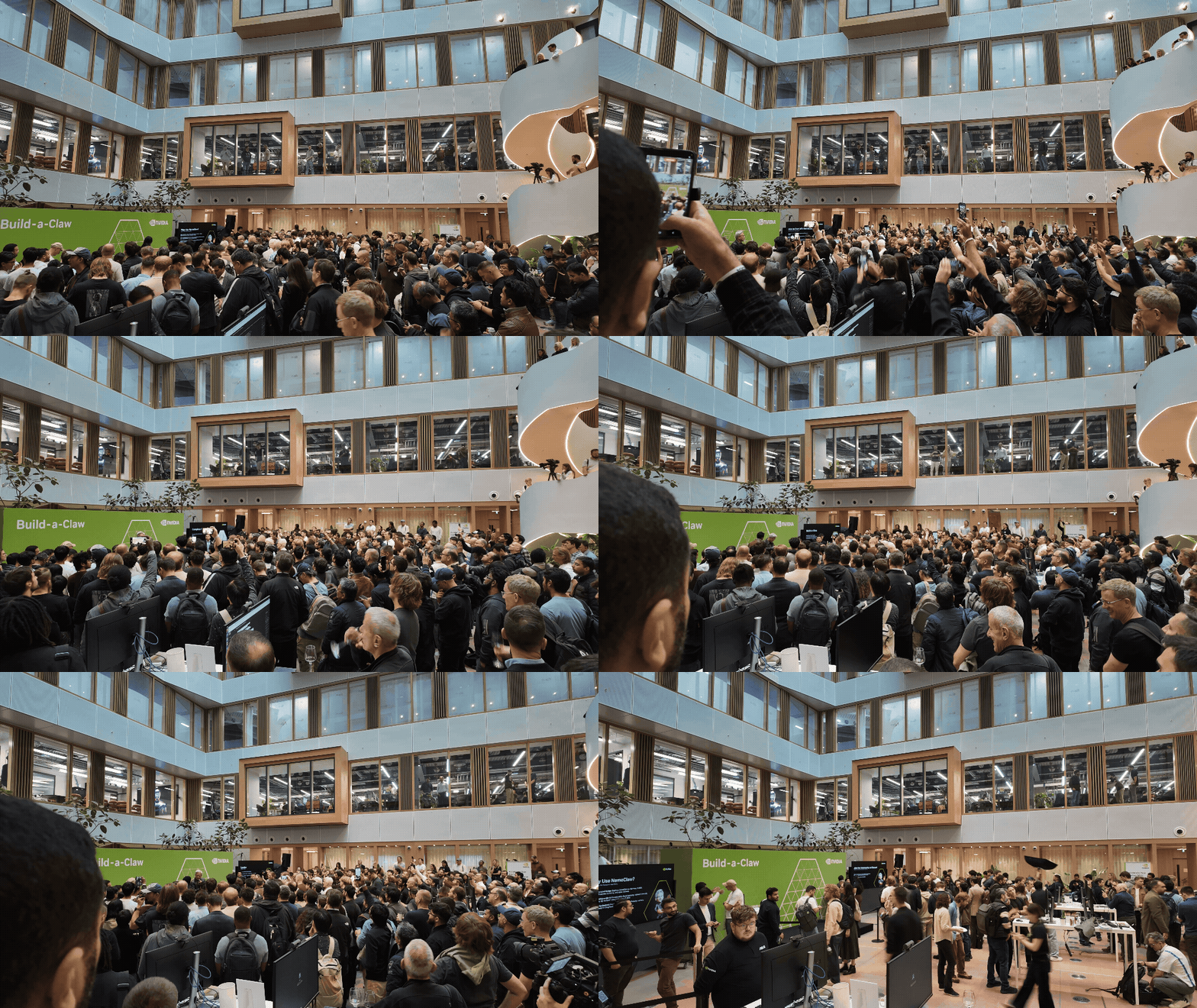
The gathering was part of NVIDIA’s tour through Europe ahead of GTC Berlin next week — and featured a visit by NVIDIA CEO Jensen Huang.
“OpenClaw, as you know, makes it possible for the agent to be able to deal with memory, orchestrate action and use tools. As a result, we have now seen an inflection, and artificial intelligence has become useful,” Huang told the crowd, citing applications including drug discovery, coding, marketing and academic research.
Huang described the need for an isolation layer, “another operating system inside the operating system,” to ensure agents are operating securely.
“And so we created this thing called OpenShell,” Huang said. “Whatever the task you give to your agent, you then give it minimum rights, minimum privileges, and then you monitor it to make sure it’s compliant with policy.”
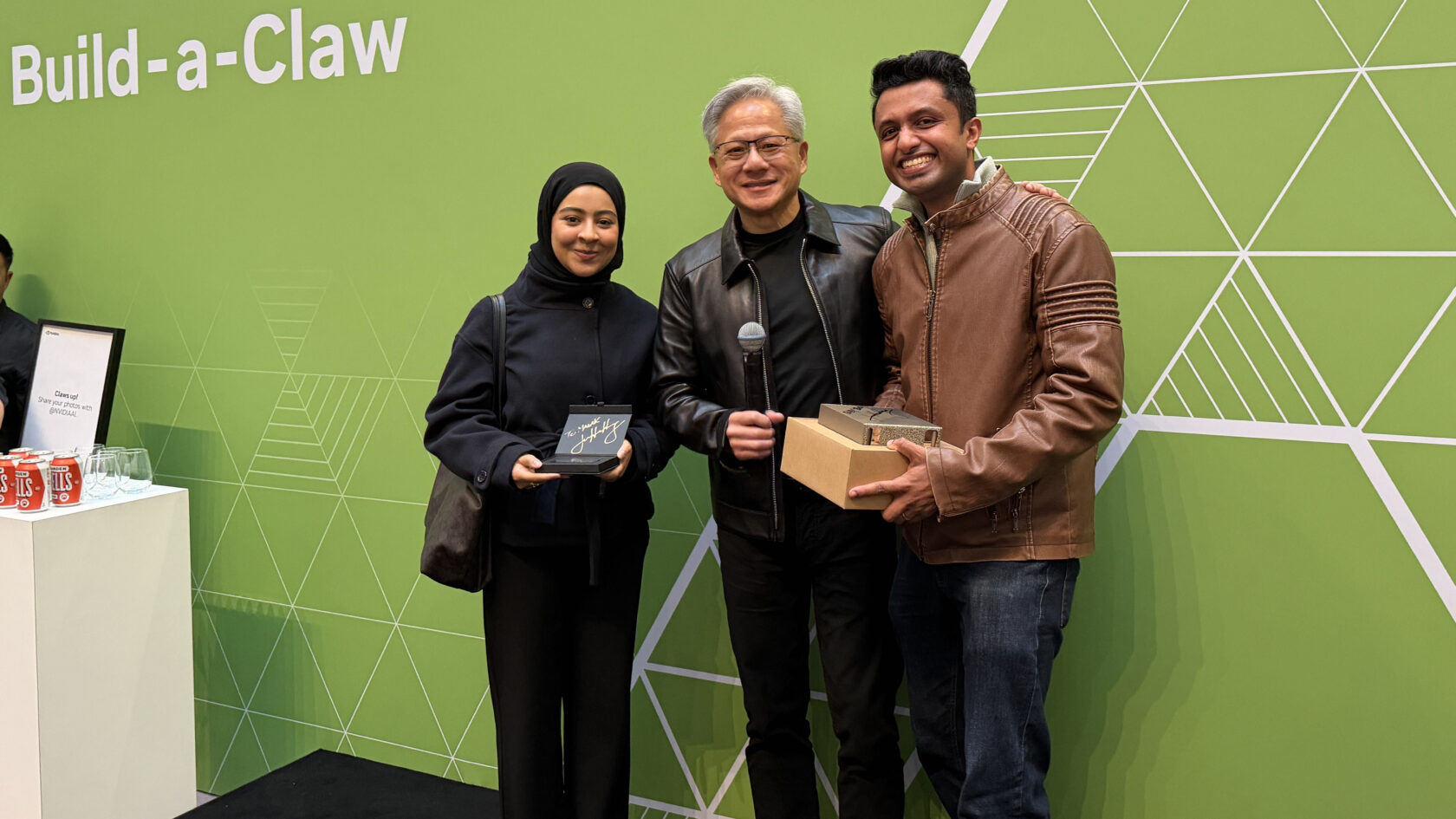
Huang also called attendees up to the stage to award raffle prizes including a signed NVIDIA DGX Spark.
AI Safety and Security Research Forum
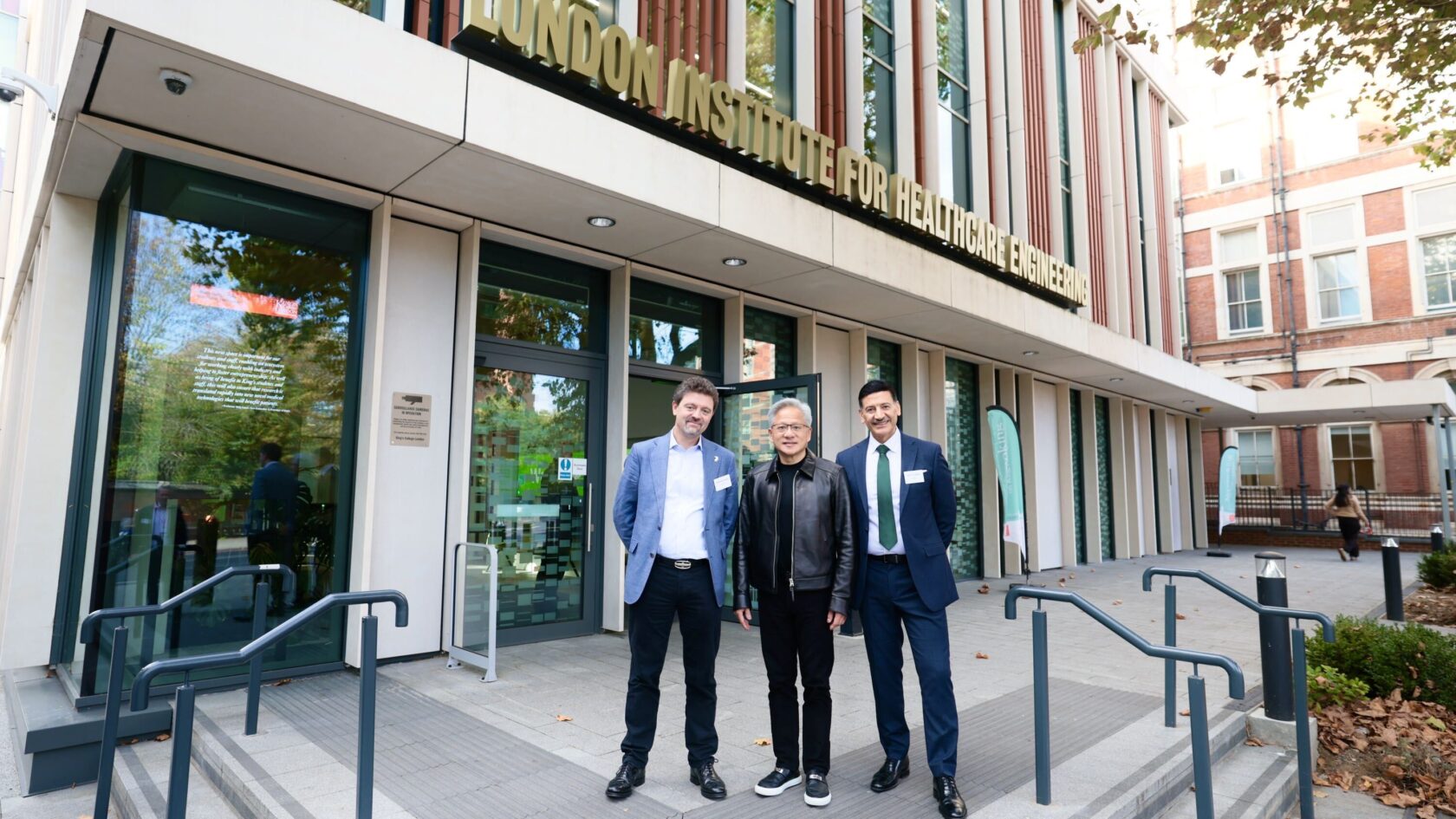
Earlier in the day, Huang joined U.K. researchers at the AI Safety and Security Research Forum at the London Institute for Healthcare Engineering. His visit followed NVIDIA’s announcement of a compute donation valued at $250 million over five years to support U.K. agentic safety and security research.
The forum brought together some of the UK’s most talented engineers working on the biggest problems in AI safety. Two shared challenges emerged from the session: securing multi-agent systems, where individually secure agents can still form insecure systems, and rapidly scaling safety at the same pace as capability. Huang and others made the case for openness as the foundation for effective defense, and highlighted the UK’s world-leading strength in AI safety. He argued open models and solutions put defensive power in everyone’s hands.
“We need to democratize self-defense,” Huang said. “We need a community of people watching each others’ backs.”
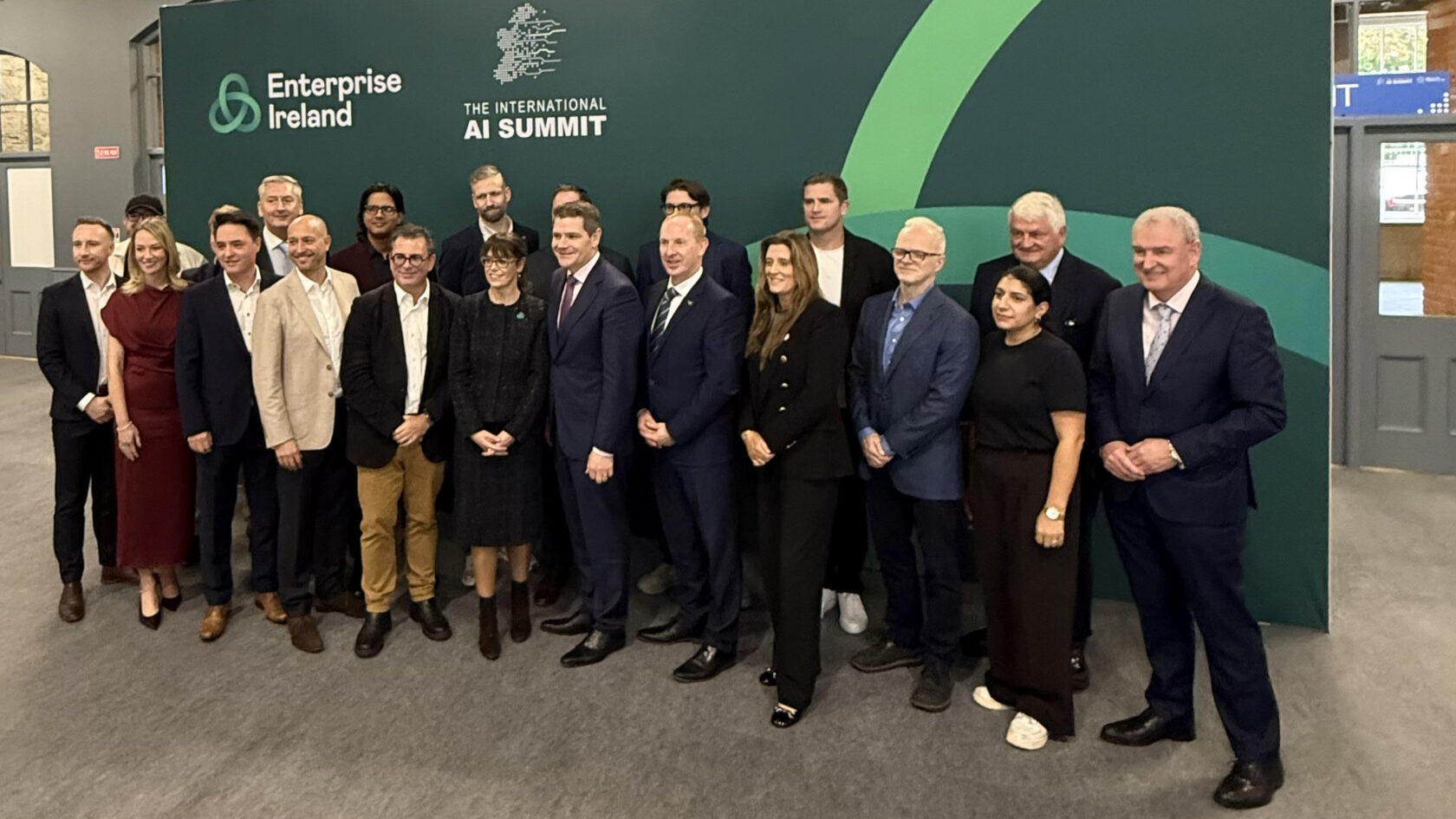
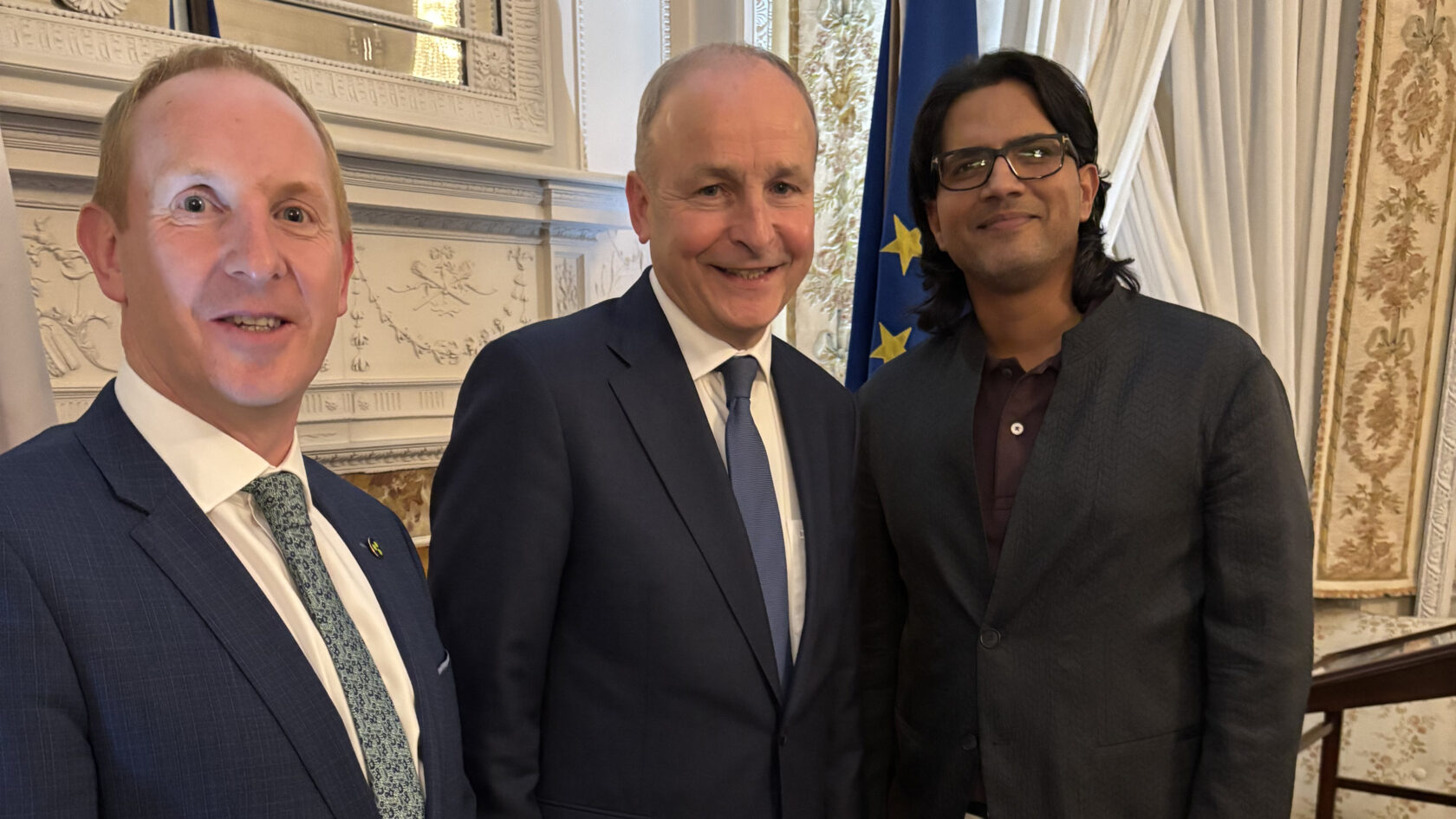
In Dublin, European Union and Industry Leaders Convene at International AI Summit
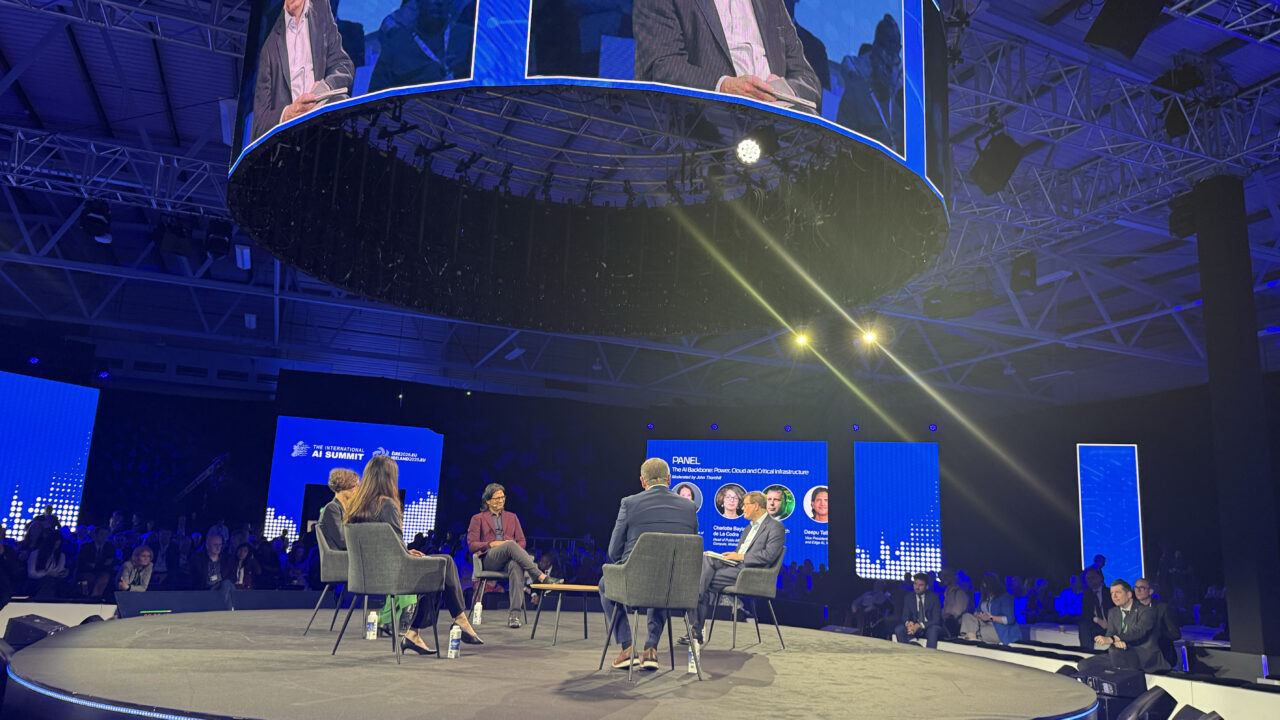
Deepu Talla, vice president of robotics and edge computing at NVIDIA, joined European Union and local leaders at the International AI Summit in Dublin to celebrate the talent, ambition and spirit of innovation in Ireland and across Europe.
Talla spoke on a panel titled The AI Backbone: Power, Cloud and Critical Infrastructure, joined by Robin Colwell, senior vice president of government affairs at Intel; Charlotte Baylac de la Codre, head of public affairs for compute at Mistral AI; and Jason Lynch, CEO of Equal 1, to discuss what it takes to power Europe’s next era of compute.
The panel’s moderator John Thornhill, innovation editor at the Financial Times, began the discussion by invoking NVIDIA founder and CEO Jensen Huang’s description of AI as a five-layer cake, with the layers (from the bottom up) comprising energy, chips, infrastructure, models and applications.
The question for Talla: Which layers can Europe play in? All of them, was the short answer Talla gave — but the most important layer for European nations to focus on is applications.
“When you have an AI factory, you’re providing energy and out comes intelligence,” Talla said. “It’s quite simply the most valuable commodity that humanity can have. The question then is, once you have this intelligence, how much do you need? Well, the answer should be as much as you can get.”
And then, what do you apply that intelligence toward?
Talla’s answer for Europe’s small and large enterprises as well as governments takes into consideration the region’s phenomenal manufacturing expertise.
“Physical AI is the next big opportunity,” Talla told the audience, describing the use of robotics to move atoms, create physical objects and perform physical tasks. “Around 70% of GDP is in the physical world, and that makes physical AI one of the largest opportunities ahead of us. Europe can combine AI with its human capital, engineering expertise and industrial capabilities to create more value.”
That value will also extend to Europe’s small and medium businesses.
“Physical AI can bring capabilities that were previously available mainly to large enterprises to small and medium-sized companies,” Talla said. “That creates a major opportunity for Europe’s manufacturing base and its small and medium-sized manufacturers.”
And it will result in applications of AI — at every layer of the stack — that are uniquely European.
“At the model and application layers, local knowledge and local market understanding really matter,” Talla said. “We want to enable the entire ecosystem across startups and universities — everywhere — because ultimately those can become the large companies of the future.”
NVIDIA Announces New Investments in the UK Startup Ecosystem(opens in a new tab)
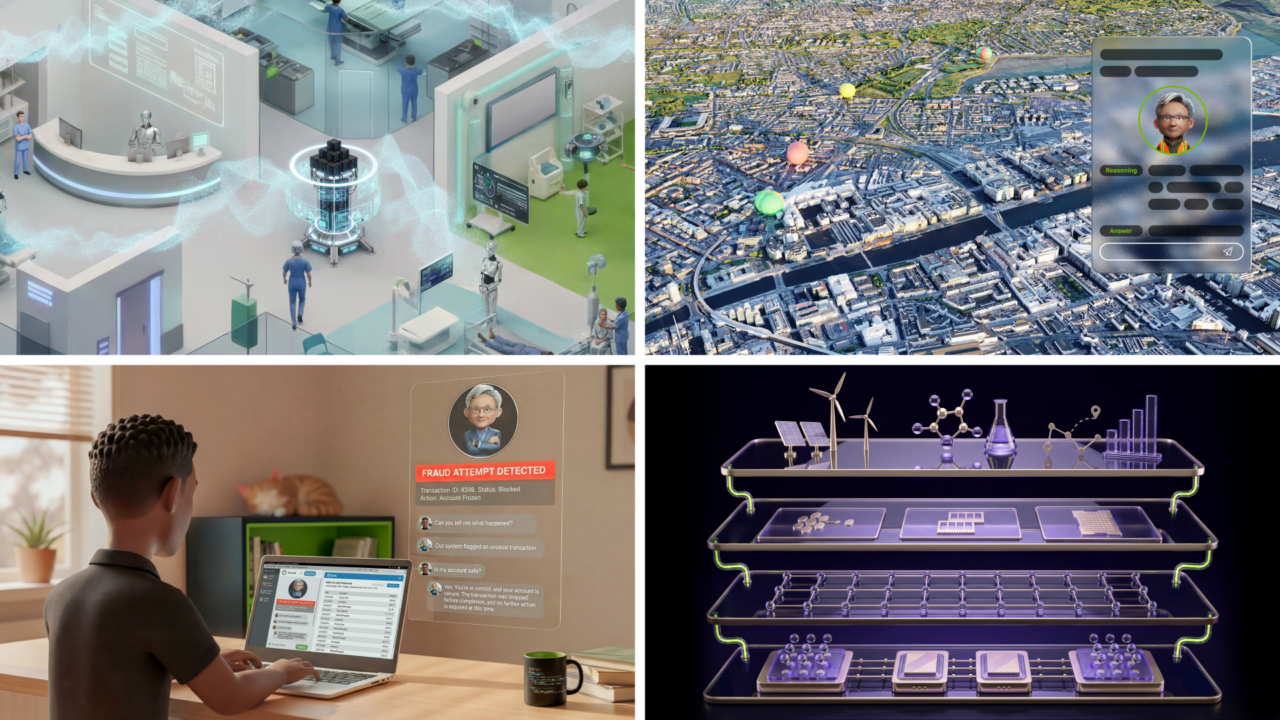
Across industries, the U.K. is putting the full stack to work.
The scale of deployment is growing fast, from enterprises transforming their businesses to startups solving some of the planet’s hardest problems.
NVIDIA is putting that principle into practice, including through a five-year, $250 million compute commitment to strengthen the U.K.’s agentic safety and security research.
Read more: NVIDIA Announces New Investments in the UK Startup Ecosystem (opens in a new tab)
European Cities Deploy NVIDIA-Powered AI Agents to Run Smarter Urban Operations(opens in a new tab)
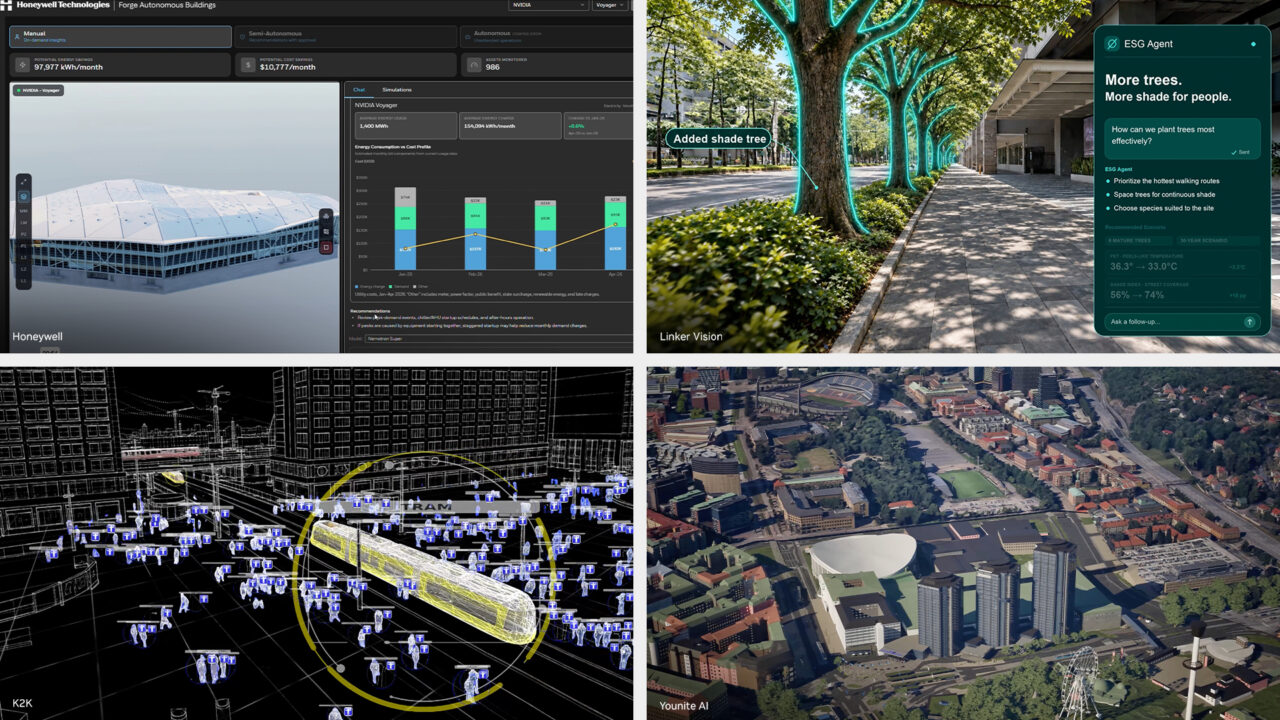
Keeping a city running means making decisions that affect residents every day — from when to repair a road to how to use energy more efficiently.
Across the EMEA region, cities and local software, infrastructure and integration partners are using NVIDIA accelerated computing to build physical AI agents and digital twins that help teams make those decisions. These applications can anticipate maintenance needs, guide urban planning and make public services more responsive.
Software partners including ABA Technology, Akila, Galene AI, Honeywell Technologies, K2K, Linker Vision, Milestone, Onetera, ThinkDeep and Younite AI are using NVIDIA physical and agentic AI to develop solutions for city operations and public services.
France Gathers for Innovation — and Huang Meets With President Macron
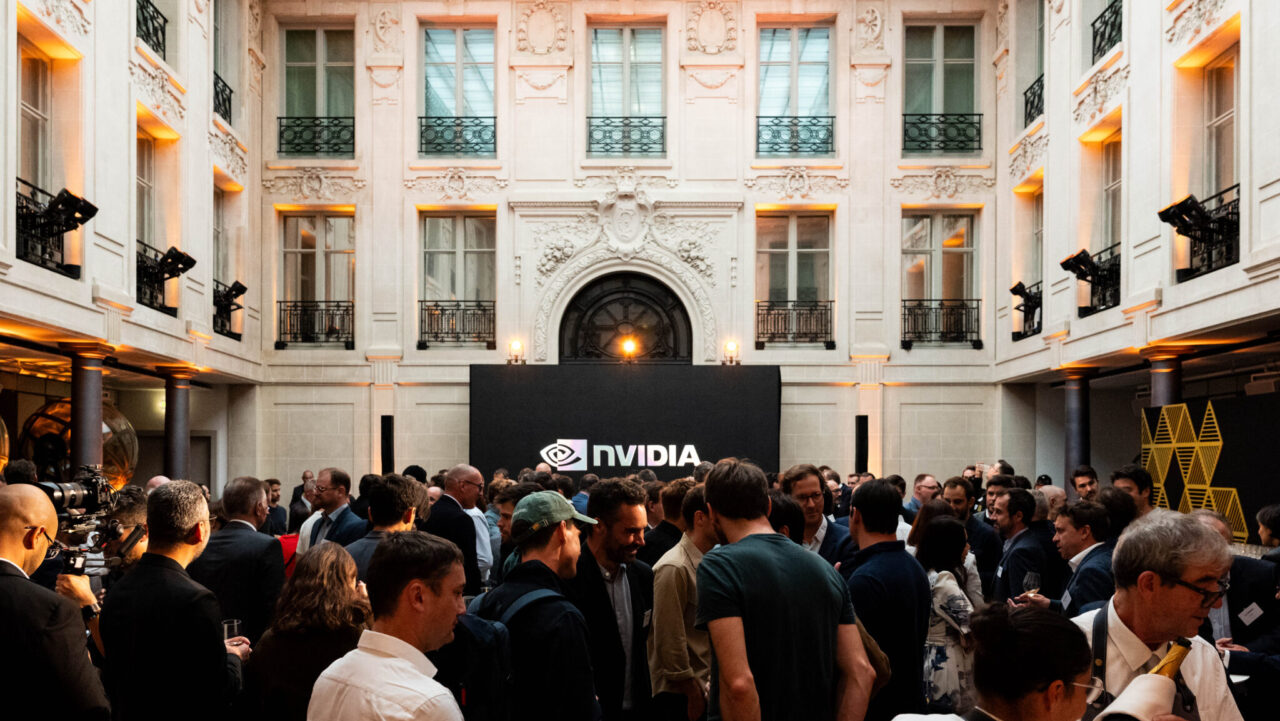
Salle des Tirages, a historic hall on Place Vendôme, has hosted events of consequence for more than a century. On Tuesday evening, it held France’s latest ecosystem moment as founders, policymakers, researchers and press gathered for NVIDIA’s France AI Ecosystem Reception.
NVIDIA founder and CEO Jensen Huang took the stage to discuss NVIDIA’s investments in Europe and the need for safe and secure technology development.
“Europe is one of the great regions of industrial manufacturing,” Huang said. “This is the beginning of the AI journey for the EU.”
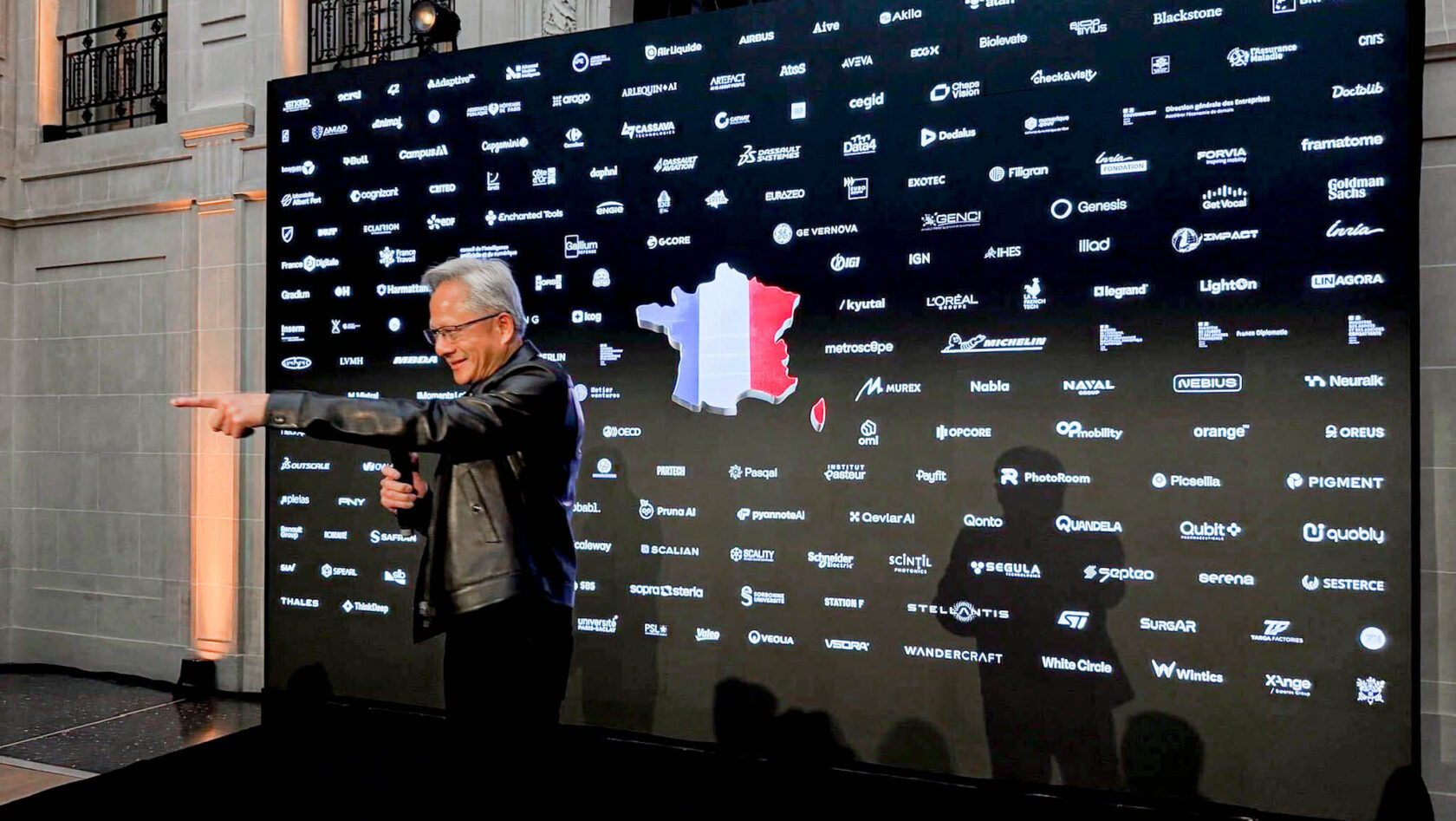
Roland Lescure, France’s Minister of the Economy, joined Huang onstage to talk about France’s strategy for innovation and economic growth.
“We want Europe to enjoy this revolution that’s going to create prosperity, jobs and revenue,” Lescure said. “For this we need pioneers.”
As attendees mingled at the reception, crowds gathered around a couple tiny guests: Microducks, 10-inch biped robots by Hugging Face that run on open source software.
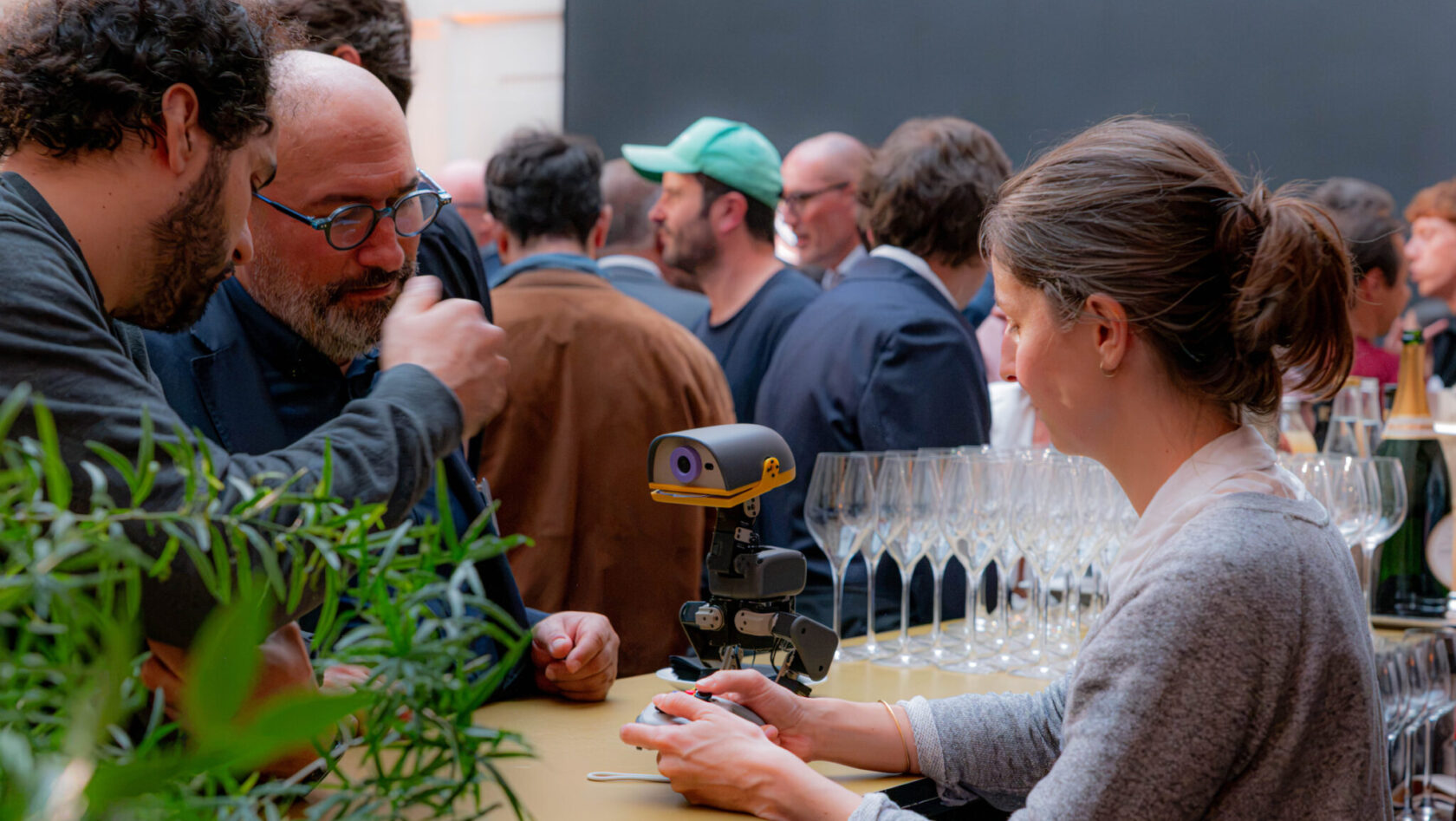
Huang also stepped outside to address the press gathered at the venue about secure technology deployment.
“Containment and monitoring are the fundamental pillars of AI,” he said.
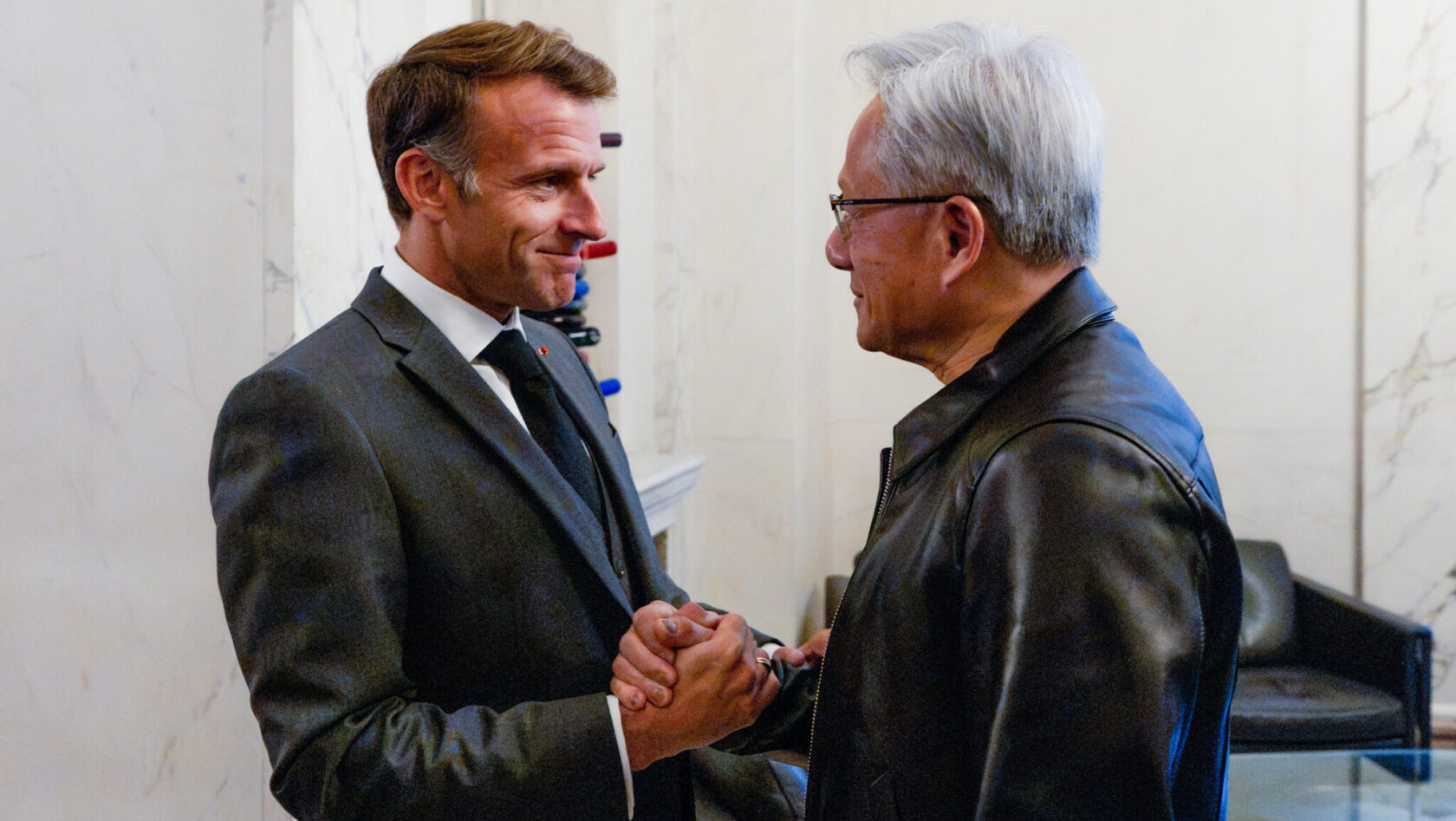
Later that evening, Huang met with French President Emmanuel Macron at the Élysée Palace to discuss NVIDIA’s contribution to France’s thriving AI ecosystem through investments spanning startups, AI-native companies and computing infrastructure.
They also spoke about the importance of open source for France and Europe, AI safety and NVIDIA’s recent launch of its Open Agent Safety Platform.
NVIDIA Brings Build-a-Claw to the Heart of Paris
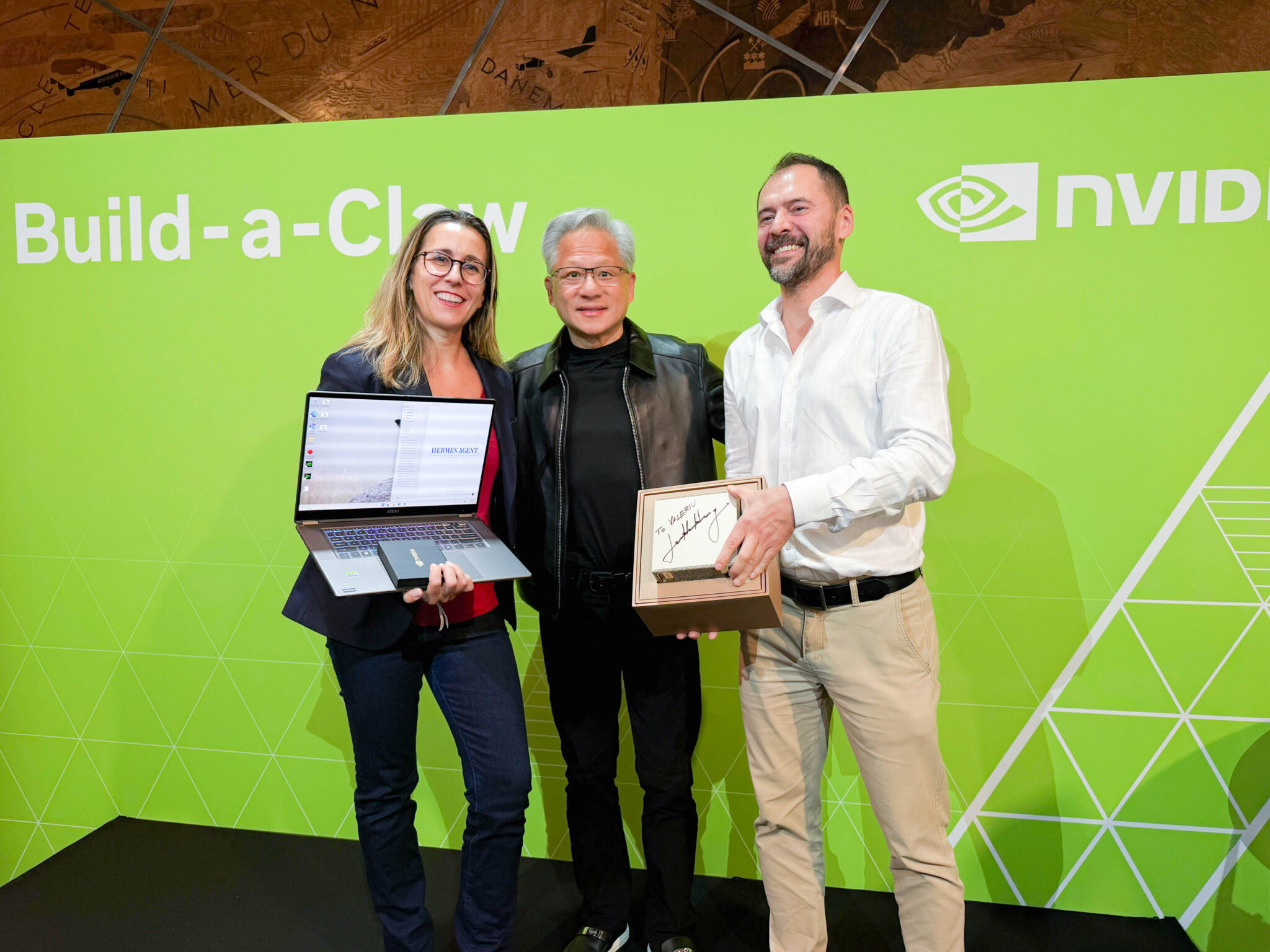 On the afternoon before NVIDIA’s France Ecosystem Reception, hundreds of developers gathered at Pavillon Vendôme to build physical AI — and get a surprise visit from NVIDIA founder and CEO Jensen Huang.
Pavillon Vendôme sits just off Place Vendôme in the 1st arrondissement — one of the most storied addresses in Paris. On Tuesday afternoon, it was full of claws.
NVIDIA’s Build-a-Claw came to France with developers from the nation’s startup community and big companies alike packing into the pavilion. The excited crowd was lined up around the block to try their hands (and brains) at building AI-powered robotic claw machines using open models and NVIDIA’s platform.
NVIDIA founder and CEO Jensen Huang dropped in on the robotic fun chatting with the crowds inside and outside, and showing off NVIDIA DGX Spark and RTX Spark AI computing powerhouse machines.
“The world’s first computers that unite all the software the world has ever created,” Huang said.
Huang then raffled off one of each of the machines, signing the DGX Spark and handing out an autographed “IOU” for the wildly popular RTX machine, since it’s sold out at the moment.
The crowd of developers did not miss a beat, claws were waiting, and went back to building.
The Paris Build-a-Claw was NVIDIA’s second event of the day, after a morning Build-a-Claw in Barcelona drew another big crowd at the Palacio de Pedralbes. He next headed to the nearby Salle des Tirages for an evening ecosystem reception with France’s AI leaders.
A single day, and already there is a sense of the huge excitement and ambition across the tech ecosystem in both countries. More news, and more countries to come.
https://blogs.nvidia.com/gtc-berlin-2026-news/
