


-
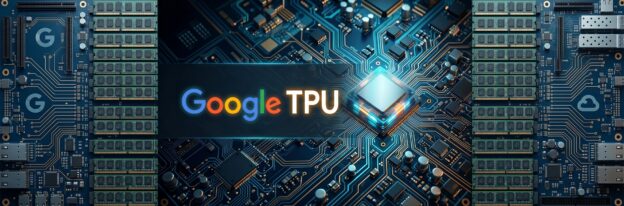
Alphabet plans to use Intel to manufacture over 3 million custom AI chips in 2028.
-
The move shifts a portion of Alphabet’s Tensor Processing Unit production away from TSMC due to capacity constraints.
-
This is the first time Alphabet will rely on Intel as a contract manufacturer for its proprietary AI hardware.
-
The agreement reshapes parts of the global semiconductor supply chain and highlights rising competition in AI chip sourcing.
Alphabet, trading as NasdaqGS:GOOGL, is committing significant future AI chip volume to Intel at a time when its stock is at $368.53. The company has seen strong multi year share price gains, with the stock up 109.8% over the past year and 200.5% over three years. Those returns place Alphabet in the group of large tech companies that have materially rewarded long term holders.
For investors, the Intel deal underlines how critical secure chip capacity has become for Alphabet’s AI and cloud ambitions. The decision to diversify manufacturing partners could influence long term cost structure, supply resilience, and competitive positioning in AI infrastructure. These factors are likely to matter more as demand for compute continues to evolve.
Stay updated on the most important news stories for Alphabet by adding it to your watchlist or portfolio. Alternatively, explore our Community to discover new perspectives on Alphabet.

See which insiders are buying and buying and selling Alphabet following this latest news.
Alphabet’s decision to shift more than 3 million Tensor Processing Units to Intel in 2028 sits squarely in the context of its recent US$80b-plus equity raise and heavy AI capital spending. Investors have already seen Alphabet tap both equity and debt markets to fund AI data centers and chip orders, while also striking large third party compute deals such as the agreement with SpaceX. Committing future TPU manufacturing to Intel suggests Alphabet is trying to lock in capacity and diversify foundry risk away from a single supplier like TSMC. For you, this reinforces that AI infrastructure is not just a technology question but also a capital allocation and supply chain question. It also connects to how institutions such as Berkshire Hathaway and other large investors are positioning around Alphabet’s AI build out, since these long dated chip commitments will sit alongside equity issuance, bond offerings, and private placements in shaping future returns on invested capital.
How This Fits Into The Alphabet Narrative
-
The Intel TPU order supports the narrative that Alphabet is building a full stack AI platform, with custom hardware, Google Cloud and Gemini all relying on assured compute capacity to serve growing enterprise and consumer demand.
-
Relying on a second foundry and ramping long term chip commitments also challenges the narrative’s assumption that large AI investments automatically improve operating leverage, because supply chain diversification can add cost and execution risk.
-
The narrative focuses heavily on demand for AI products and margins, but does not fully spell out foundry concentration risk or how shifting volume from TSMC to Intel could affect Alphabet’s chip economics and bargaining position over time.
Knowing what a company is worth starts with understanding its story. Check out one of the top narratives in the Simply Wall St Community for Alphabet to help decide what it’s worth to you.
The Risks and Rewards Investors Should Consider
-
⚠️ Concentrating future AI chip needs into a large, specific order with Intel increases execution risk if Intel’s foundry roadmap, packaging yields, or timelines do not match Alphabet’s AI product rollouts.
-
⚠️ Alphabet is already carrying high AI related capex and has raised substantial equity and debt, so additional long dated supply commitments can raise questions about future free cash flow if AI demand or pricing do not match expectations.
-
🎁 Securing 2028 capacity with Intel can reduce dependence on TSMC and potentially hedge geopolitical and supply chain shocks that could affect AI heavy peers such as Microsoft and Meta.
-
🎁 A broader supplier base for custom TPUs may give Alphabet more flexibility to match the right process technology and cost structure to different AI workloads, which can support Google Cloud economics and large customers that are ramping AI usage.
What To Watch Going Forward
From here, watch how Alphabet talks about foundry diversification and AI chip sourcing on future calls, especially any detail on cost per unit, performance targets, or yield trends from Intel versus TSMC. It is also useful to track how this order lines up with Alphabet’s disclosed AI capex plans, external compute deals such as SpaceX, and customer backlog in Google Cloud. Any shift in guidance on capital intensity, depreciation, or supply constraints relative to competitors like Amazon and Microsoft will help you judge whether this Intel agreement is easing Alphabet’s AI bottlenecks or adding a new layer of risk.
https://finance.yahoo.com/markets/stocks/articles/alphabet-intel-chip-pact-reshapes-211753783.html?shem=rimspwouoe,