



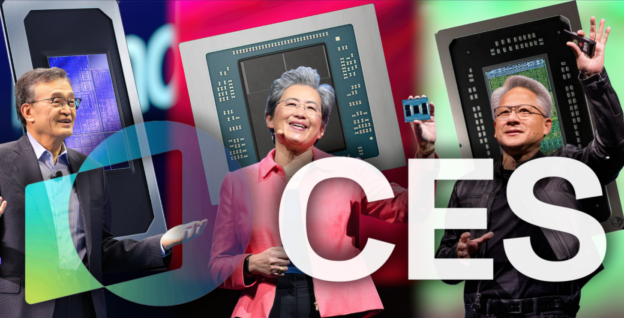
At the annual Consumer Electronics Show (CES) in Las Vegas next week, the biggest names in tech, including Nvidia Corp, Advanced Micro Devices Inc, Samsung Electronics Co and Lenovo Group Ltd (聯想), will make the case for artificial intelligence (AI). Their target audience those few days: investors, corporate clients and — perhaps just as importantly — ordinary shoppers who have yet to be fully sold on the idea of AI-infused gadgets.
CES, which runs from Jan. 6-9, is where many tech companies unveil their wares for the year. That includes a mix of products that are imminently available for purchase, and concept devices that may or may not go to market — and could be half-baked if they do. While Nvidia chief executive officer Jensen Huang (黃仁勳) is likely to be the most charismatic showman in Vegas hyping AI’s underlying technologies, he’ll be surrounded by a slew of players that are testing consumers’ appetite for gadgets where AI isn’t just a nice-to-have feature, but the main selling point.
The show floor this year will be particularly populated with AI-powered hardware, including the sort of smart glasses popularized by Meta Platforms Inc and that Snap Inc and Apple Inc are planning to launch by the end of next year. While Meta and Snap will both have a presence at CES, the bulk of the news in this space is likely to come from smaller brands, such as Xreal Inc, Vuzix Corp, Halliday Global Ltd, Rokid and Even Realities.

The CES logo is displayed as attendees enter an exhibit hall during the Consumer Electronics Show (CES) in Las Vegas, Nevada, on Jan. 7.
Photo: Patrick T. Fallon, AFP
Meta isn’t expected to unveil new hardware at this time, having recently debuted its first smart glasses with a built-in screen. It is possible, however, that the social media giant is ready to show off some new or improved software features. It’s a similar story for Snap, which isn’t likely to choose this venue to announce pricing and availability for its forthcoming “Specs” glasses. The Specs will be on display for attendees who haven’t had a chance to see them in person, which has so far mostly included select media outlets.
In addition to eyewear, such as glasses and goggles, some of these gadgets will take the form of a ring or something else entirely —underscoring that start-ups and Big Tech alike remain bullish on AI-first hardware that lets people tap into intelligent assistants without necessarily taking out their smartphone.
Many companies will also be testing consumers’ readiness to accept AI-powered humanoid robots. There will be so many players, in fact, that the Consumer Technology Association, which organizes CES, has set aside an entire hall of the convention space for robotics. While some of these robots are intended for the home, many of the models on display will be designed for enterprise uses such as manufacturing, logistics and food service. Firms such as Artly Coffee and VenHub Global Inc will show off technology for AI-powered robotic cafes and convenience stores.
Companion robots will be a common sight as well, including products like the Jennie robot dog from Tombot Inc, a California-based start-up focused on developing products for aging adults and people living with dementia.
Many humanoid makers this year are shifting from single-task demonstrations to more complex, multi-step tricks, such as both sorting and folding laundry. Larger players, including LG Electronics Co, are expected to tease their own humanoid concepts, but the companies will need to convince attendees that these machines are commercially viable amid ongoing challenges around battery life, mobility, cost and safety.
Above all other categories, televisions have traditionally been the centerpiece of CES, with Samsung, LG, and ascendant Chinese competitors TCL Corp and Hisense Electric Co (海信) showing off their brightest, biggest sets for the new year.
With high-end TVs now delivering more than enough brightness and resolution for most consumers, manufacturers are likely to focus on wider color reproduction and other improvements that result in a more vivid, lifelike picture. Aesthetically pleasing models like Samsung’s The Frame line have inspired a wave of clones from other TV makers, a trend that’s likely to continue in Vegas this year.
CES typically isn’t a venue for major smartphone news, but Motorola could be an exception this year. Its parent company, Lenovo, is headlining one of the show’s evening keynotes for the first time, and Motorola mailed a teaser package to media that strongly hints at a book-style foldable. Such a device would be its first of that form factor after years of releasing Razr-branded folding handsets.
Meanwhile, wearables will continue to evolve beyond basic fitness tracking, blurring the lines with medical-grade devices. The show will feature products such as a smart night guard that not only protects against teeth grinding but also claims to monitor sleep apnea events, heart rate, respiration and sleep cycles. Wearables in general are expected to offer a greater focus on women’s health, continuous glucose monitoring, advanced cardiovascular tracking, longevity and chronic-condition management.
https://www.taipeitimes.com/News/biz/archives/2025/12/30/2003849720